
Visiting Kings Canyon National Park: Know Before You Go
Kings Canyon is a bit of a funny national park, and it can be surprisingly difficult to figure out the best way to visit.
It’s managed alongside neighboring Sequoia National Park, but they’re actually two separate parks with completely different landscapes, hiking, and experiences. Many visitors end up treating Kings Canyon like a quick stop on the way to Sequoia, but I think that’s a mistake.
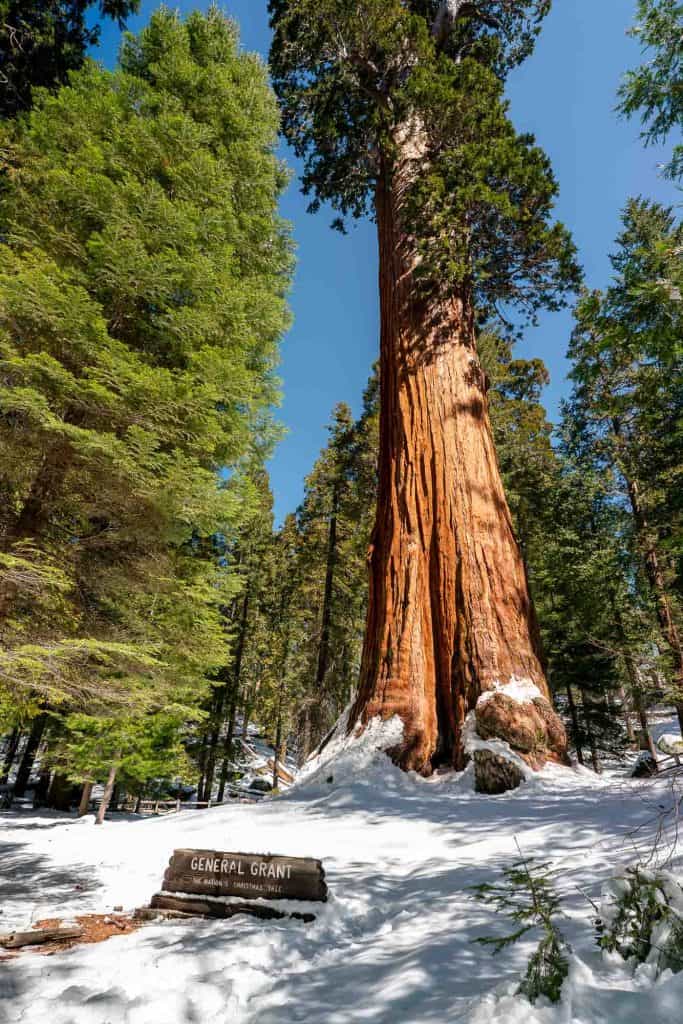
The first time I visited Kings Canyon, that’s exactly what I did. We stopped to see the General Grant Tree before continuing on to Sequoia for a backpacking trip.
Since then, I’ve returned several times in both summer and winter for day hikes, backpacking trips, and exploring the surrounding Sequoia National Forest. Every visit has convinced me there’s far more to this park than most people realize.
The trick is knowing how it all fits together. Once you understand that, planning a trip to Kings Canyon becomes much simpler, and you’ll know exactly which areas deserve your time.
Backcountry Emily contains affiliate links and I may receive compensation - at no extra cost to you! As an Amazon Associate I earn from qualifying purchases. See my Privacy Policy for more information.
Is Kings Canyon National Park Worth Visiting?
Yes, 100% Kings Canyon is worth visiting, and not just as a side trip from Yosemite or Sequoia.
If you’re a national park lover like me, you’re probably already planning to visit. The bigger question is how much time to spend here, and whether there’s enough to do to justify more than a quick stop.
I think there is.
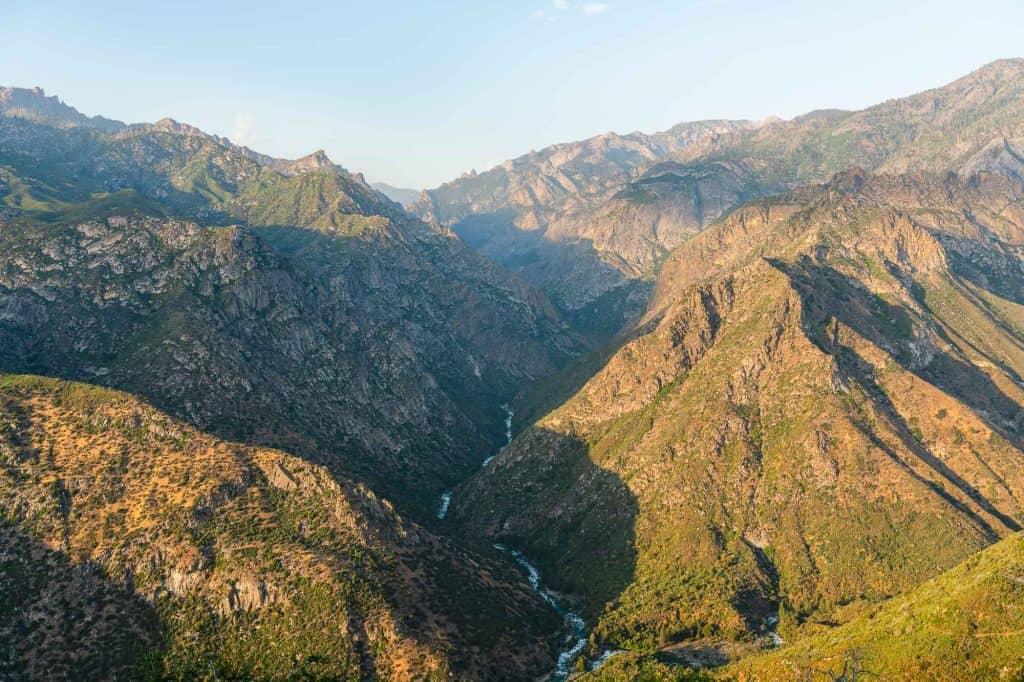
What makes Kings Canyon so unique is that its greatest treasures aren’t visible from the road. Much of the park is protected wilderness, where granite peaks, alpine lakes, and glacial valleys stretch for miles beyond the end of the pavement. After backpacking here several times, I genuinely think it’s some of the most spectacular scenery in the world.
But you don’t have to backpack to appreciate what makes this park special.
You can hike to Mist Falls, stand beneath the General Grant Tree, drive California’s most dramatic canyon road, or simply spend an afternoon beside the Kings River.
Even if you never venture into the backcountry, Kings Canyon has more than enough to earn a spot on your itinerary.
How Kings Canyon Is Laid Out
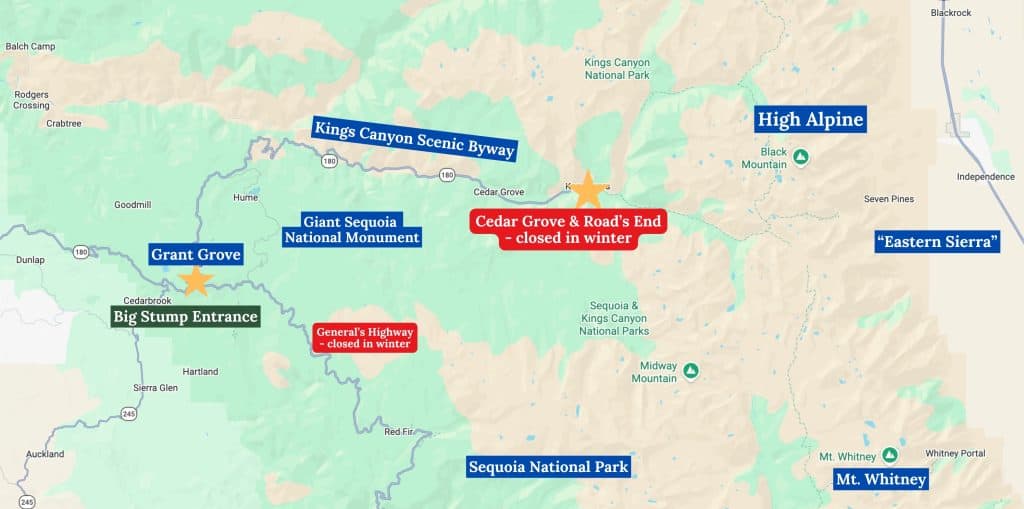
If you look at Kings Canyon on a map, you might be confused by the boundaries. You drive into the national forest, and then into the park, and then back into the national forest… but it’s also a national monument?!
I know. I was a bit confused too. Let’s go over the regions quickly together to get our bearings so you know what I’m talking about during the rest of this guide!
Grant Grove Area
⭐Grant Grove is best for: first-time visitors, giant sequoias, lodging, year-round access.
Grant Grove Village is where you first enter the park at the Big Stump Entrance, and the section you visit first if you’re driving in from Sequoia National Park.
This is where you’ll find Kings Canyon’s main sequoia grove: Grant Grove. You also have the main visitor center, 2 lodging options, 3 campgrounds, a restaurant, and a grocery store.
Cedar Grove & Road’s End
⭐Cedar Grove is best for: hikers wanting quick trail access, canyon views, easy river access, quieter mornings and evenings, summer-only visits.
Cedar Grove is located 33 miles down the Kings Canyon Scenic Byway road from the Big Stump Entrance. There aren’t any sequoia trees down here: but there are incense cedars! The road here also closes in the winter, so this is more of a summer destination.
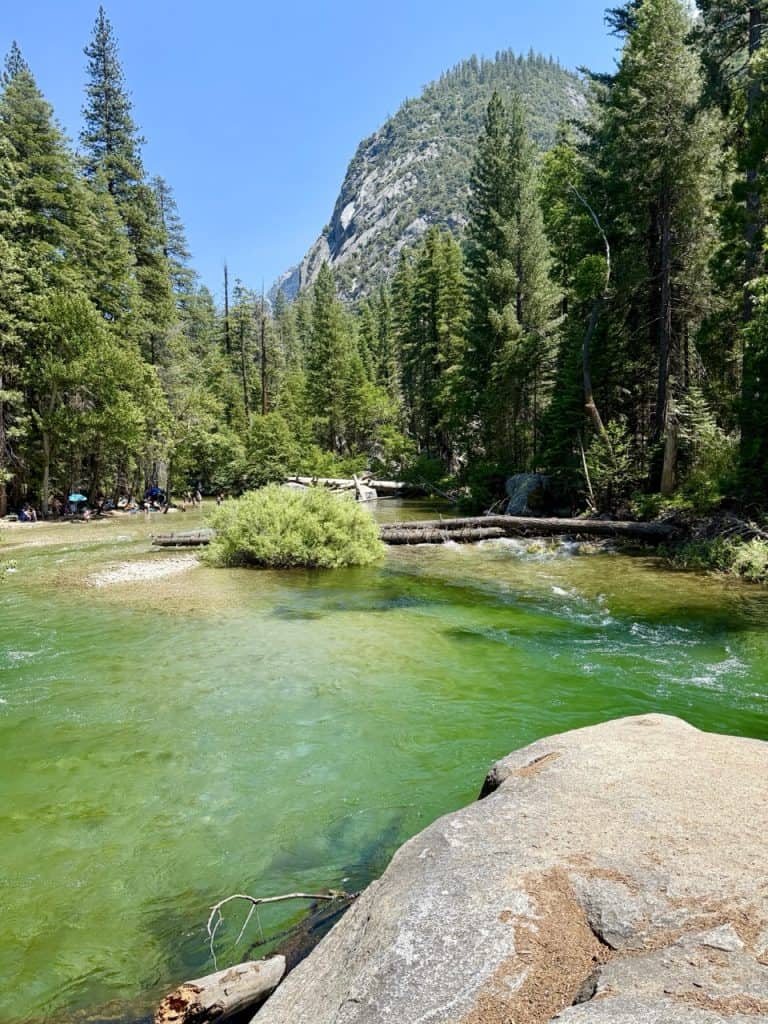
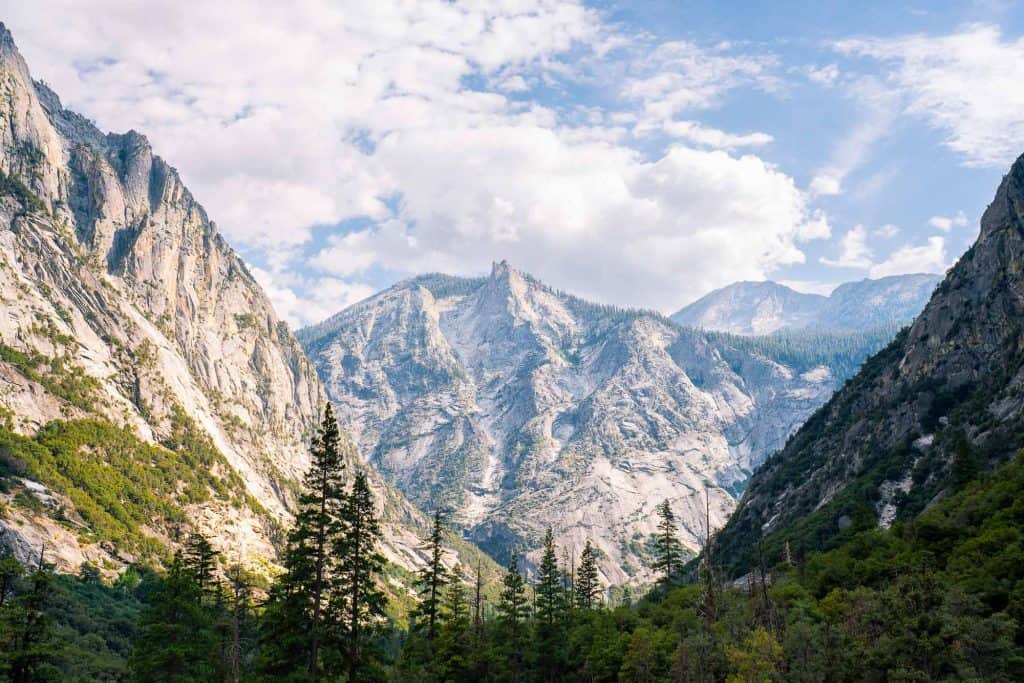
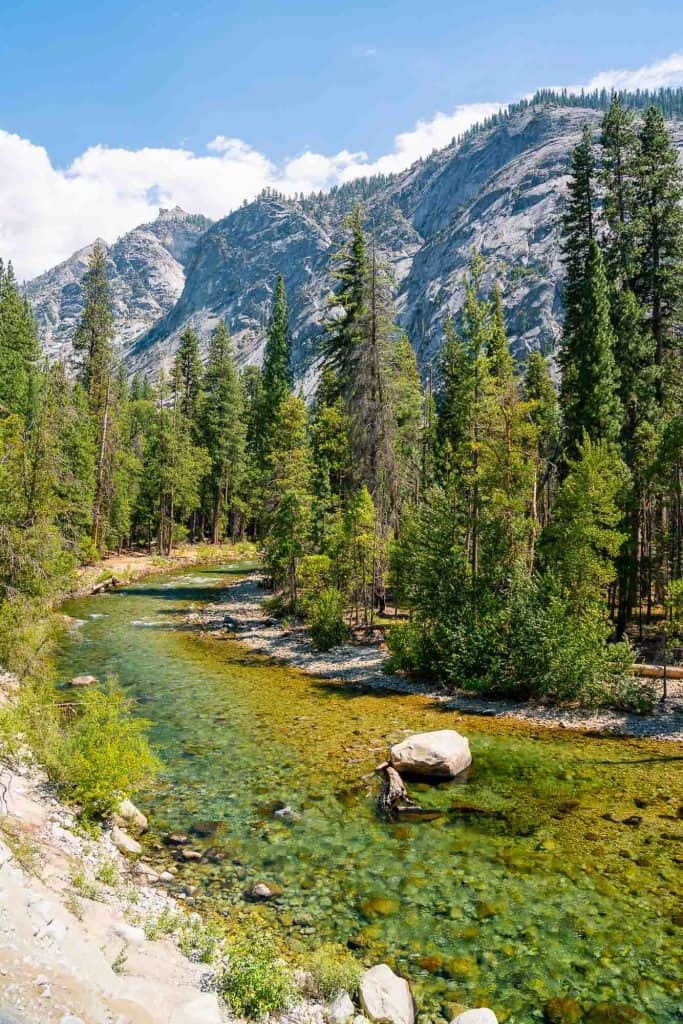
Cedar Grove has a much different feel than Grant Grove. This area feels more like Yosemite: big granite walls, a gorgeous clear river, and distant mountain views. You’ll find a small visitor center, wilderness center, a lodge, a restaurant and small grocery/gift shop, 4 campgrounds, and many wilderness trailheads.
You’ll also find the big, official park sign down there for all my fellow park sign lovers.
Giant Sequoia National Monument
⭐Giant Sequoia National Monument is best for: off-the-beaten path hikes, dog-friendly activities, off-grid camping.
When you drive through Grant Grove on the way to Cedar Grove, you actually leave the national park and enter the northern unit of Sequoia National Forest. The majority of this is also the Giant Sequoia National Monument. You’ll also enter the national forest when you leave Kings Canyon and drive toward Sequoia National Park.
There’s a lot to see here. There are countless hiking trails, tons of campsites – both official and dispersed, lodging options, Hume Lake, private camps, 2 gas stations (Hume Lake and Stony Creek Village), and a couple of meal options at the private lodging options.
The High Sierra Backcountry
⭐The backcountry wilderness is best for: remote hiking, experienced backpackers, visitors on the eastern side of the Sierra range.
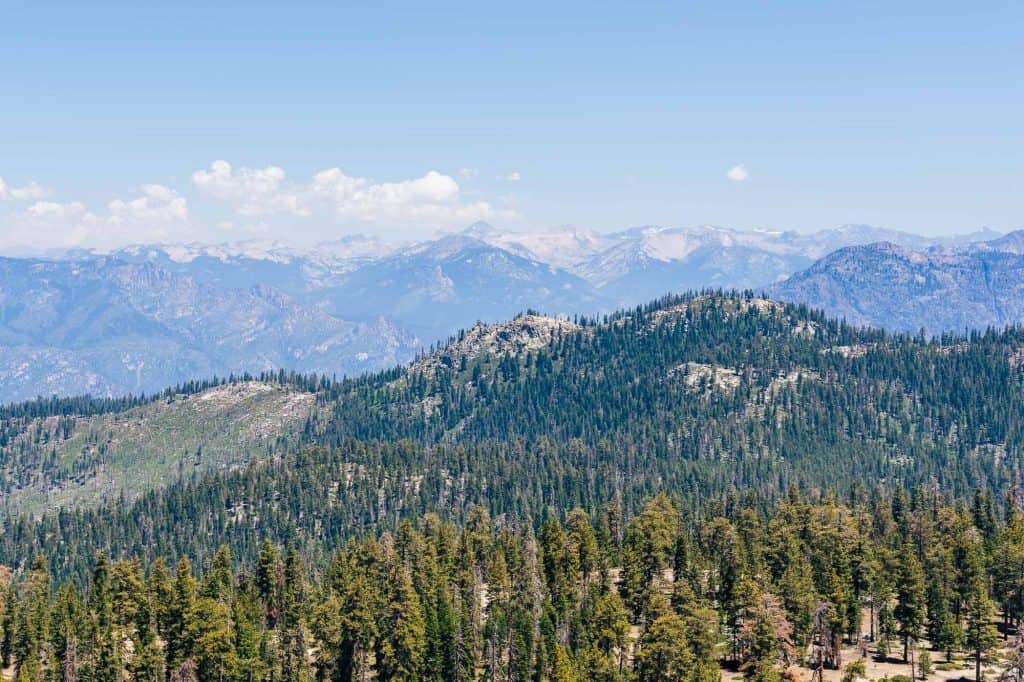
This is actually the crown jewel of Kings Canyon National Park. Thousands of acres of stunning granite peaks, wildflower filled meadows, hundreds of alpine lakes, glistening waterfalls and rivers await deep into this stunning wilderness area. And most of it doesn’t even have trails.
There are 2 main spots to access the backcountry: Cedar Grove and multiple trailheads in the Eastern Sierra off of Highway 395 – the other side of the mountain range.
I’ve been lucky enough to hike the Rae Lakes Loop, and the entire John Muir Trail through the park, and there is still so much I want to experience out here.

Best Month to Visit Kings Canyon
If I could only visit Kings Canyon once, I’d choose June.
The waterfalls are still roaring from snowmelt, wildflowers are blooming, temperatures are comfortable for hiking, and the park usually hasn’t reached its peak summer crowds yet. It’s one of my favorite times to be here.
The one thing to watch for is snowpack.
One of Kings Canyon’s main attractions – Cedar Grove and Road’s End – is only accessible by a single road that closes every winter (the Kings Canyon Scenic Byway, aka CA-180).
The road typically shuts down sometime around mid-November and doesn’t reopen until mid-to-late May, although in heavy snow years it can stay closed into June or even July.
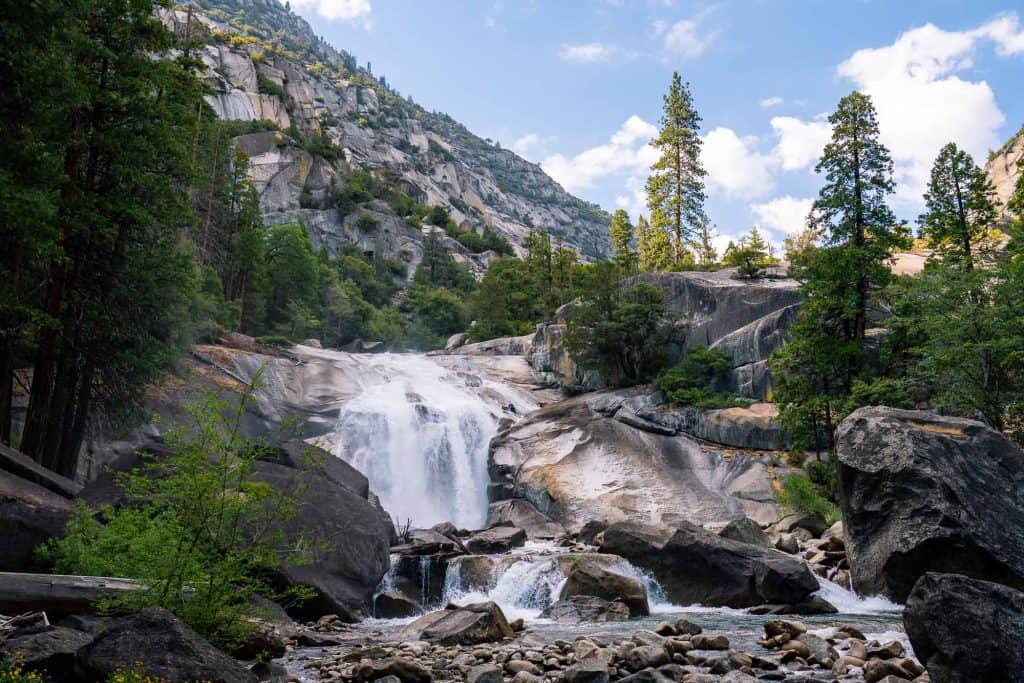
If Road’s End is still closed, you’ll only be able to explore the Grant Grove area, which means you’ll miss places like Mist Falls, Muir Rock, Zumwalt Meadow, and many of the park’s most popular trailheads.
If you’re planning your trip around hiking in Cedar Grove, I’d always check the road status before booking accommodations.
If the road hasn’t opened yet, or you’re visiting after a particularly snowy winter, I’d honestly wait until September instead. The waterfalls won’t be as powerful, but you’ll trade them for smaller crowds, fewer mosquitoes, cooler mornings, and excellent hiking conditions.
Having visited both Kings Canyon and Sequoia in winter, I think there’s much more to see and do in Sequoia during the winter and it’s where I’d recommend spending your time during these months.
|
Season |
My Take |
|---|---|
|
March – May |
Beautiful, but Cedar Grove is usually still closed. Great if you’re mainly visiting Grant Grove, and you should prepare for late winter conditions. |
|
June |
My favorite month. Waterfalls, wildflowers, cooler temperatures, and fewer crowds. |
|
July – August |
Everything is open, but it’s hot in Cedar Grove and much busier. Best for backpacking. |
|
September |
Another excellent choice. Smaller crowds, pleasant hiking weather, and Road’s End is still open. |
|
October |
Quiet and beautiful, but nights get cold and seasonal services begin closing. |
|
November – April |
Cedar Grove/Road’s End is closed, full winter conditions in Grant Grove. |
How Many Days To Spend in Kings Canyon
If you’re short on time, one full day is enough to see the highlights of Kings Canyon. You can explore Grant Grove, drive the Kings Canyon Scenic Byway into Cedar Grove, stop at a few viewpoints, and fit in one longer hike like Mist Falls or spend an afternoon relaxing by the river at Muir Rock.
That said, I think two days is the sweet spot. The first time I visited Kings Canyon, I treated it like a quick stop on the way to Sequoia National Park.
Looking back, I barely scratched the surface. Once I came back and spent a couple of days here, I realized how much of the park’s charm comes from slowing down.
Watching sunset at Panoramic Point, swimming in the Kings River, or lingering at overlooks simply isn’t possible when you’re trying to squeeze everything into a few hours.
If you want to hike more than one trail, explore some of the nearby Sequoia National Forest, or spend time in Cedar Grove without feeling rushed, I’d plan on two full days.
If you’re visiting both Kings Canyon and Sequoia National Parks – which I highly recommend – I’d set aside at least three days, and ideally four if you enjoy hiking.
What To See and Do in Kings Canyon National Park
Hiking is hands-down the best way to experience Kings Canyon. Even if you only have one day, I’d recommend fitting in at least one trail. Some of the park’s best scenery is only a short walk from the road, while others require a full day – or even several days in the backcountry.
Here’s how I’d choose a hike and structure your visit depending on how much energy and time you have:
Only have a few hours?
- Grant Grove hike (< 1 mile, easy)
- Grant Grove Visitor Center
- Panoramic Point hike (< 1 mile, easy)
Have a full day?
- Grant Grove hike
- Kings Canyon Scenic Byway
- Mist Falls hike (medium length, moderate)
- Muir Rock
- Zumwalt Meadow walk (< 1 mile, easy)
- Roaring River Falls hike (< 1 mile, easy)
Have 2+ days?
- Mist Falls
- Big Baldy (medium length, moderate)
- National Forest hikes
- Go backpacking
Want the full breakdown of every hike, viewpoint, waterfall, and hidden gem? Head over to my complete guide to the best things to do in Kings Canyon National Park.
And if you’re visiting Kings Canyon and Sequoia together (which I recommend), you’ll have even more hiking options. My guide to the best hikes in Sequoia National Park covers everything from short walks among the giant sequoias to full-day summit hikes, making it a great companion when planning a multi-day trip.
Where Should You Stay In Kings Canyon
Choosing where to stay is probably the biggest decision you’ll make while planning your trip because it determines how much driving you’ll do each day.
There are not a ton of hotels in Kings Canyon but there are plenty of campgrounds. No matter which way you swing, I’d recommend staying in Grant Grove Village if you also want to visit Sequoia National Park on your trip. If you’d rather have more access to longer hiking trails, I’d stay in Cedar Grove.
Quick decision guide:
- Grant Grove → Best for first-time visitors and trips that combine Sequoia.
- Cedar Grove → Best for hikers and spending multiple days in Kings Canyon.
- Fresno or Visalia → Best for hotels, lower prices, and if you don’t mind driving.
Hotels
Similar to where to eat, there are 3 hotels within the national park: Cedar Grove Lodge in Cedar Grove, and John Muir Lodge and Grant Grove Cabins in Grant Grove. These are run by the concessionaire.
I haven’t stayed in any of these, but I would expect pretty standard national park accommodations. Basic, and you’re paying for location rather than services.
Because the lodging is incredibly limited in the park, if you prefer to stay in a hotel vs. camping, I would probably recommend staying in Fresno or Visalia for more variety and more affordable options. The drive into the park from these towns is not that bad.
Cabins
There are private rental cabins in Wilsonia, which is a private community near Grant Grove Village. You can find these on VRBO and AirBnb.
Campgrounds
I’ve camped each time I’ve visited Kings Canyon. I’ve stayed at both Azalea and Sunset campgrounds and think they are both completely fine. There’s a third campground near Grant Grove: Crystal Springs Campground, and 4 more options in Cedar Grove.
You can reserve all campsites on recreation.gov, and I’ve had good luck booking last minute sites at Kings Canyon, unlike camping in Yosemite.
Something to keep in mind with these campgrounds (and you can see this information when booking online) many of them have shared parking spaces with your neighboring campsite. So be aware of this if you sleep in your car or a van at campgrounds. You might want to pay attention and make sure you have a private parking space because we all know how those pesky camp neighbors can be sometimes.
Where to Eat in Kings Canyon
There are only 2 restaurants inside the national park, and a couple of others surrounding it.
Grant Grove Restaurant is in Grant Grove Village, right next to the visitor center, gift shop, and grocery store. It is not continually open throughout the day – there is a closure between breakfast and lunch, so double check the hours and plan accordingly.
The Cedar Grove Grill is located inside the Cedar Grove Lodge. It also has staggered dining hours.
I have not eaten at either of these locations since I’ve always been camping when in Kings Canyon, but I have eaten at Lodgepole and Wuksachi in Sequoia and they are run by the same dining company. The food is fine for national park fare. Nothing to write home about, but I did enjoy the huckleberry ice cream.
The Christian Camp in Hume Lake also has a restaurant that also seems like it has pretty standard middle-of-the-mountains dining fare with limited hours. Stony Creek Lodge in between Kings Canyon & Sequoia also has food, but the dining hours seem to be short and TripAdvisor and Google have mixed reviews.
I’d personally stick with the park dining options, and just make sure you bring some of your favorite snacks with you.

How to Get To Kings Canyon National Park
Kings Canyon is located in the southern Sierra Nevada near Yosemite and Sequoia National Parks. The easiest access is from the western side of the mountain range.
The closest cities to Kings Canyon National Park are Fresno, CA and Visalia, CA. Both of these towns are about a 1 – 1.5 hour drive from the Big Stump Entrance, and make great starting points for a visit.
Flying to the Park
If you’re flying in, you’ll either fly into Fresno, CA (FAT) or one of the larger cities in California like San Francisco (SFO), Sacramento (SAC), or Los Angeles (LAX). Flight prices and connections/layovers will probably be the largest considerations for choosing where to fly into.
Once you land, you’ll need to rent a car. There is no public transportation to Kings Canyon and there are no park shuttles to take you to the sights within the park.
Make sure you have a full tank of gas before leaving! I would not recommend an EV unless you plan to stay in Fresno, Visalia, or Three Rivers.
➡️ Check car rental prices here!
Driving to the Park: Big Stump Entrance
Wherever you’re driving from, you’ll want to enter the park at the Big Stump Entrance on CA-180. This road does not have vehicle length restrictions like the road from Three Rivers to Sequoia does.
I live in the San Francisco Bay Area, and driving to Kings Canyon is surprisingly easy. I find that it takes about 4-4.5 hours to drive to the park, only slightly longer than the drive to Yosemite Valley.
I personally like to stop at Costco in Fresno off of CA-99 to fill up on gas before heading into the park. I’d also recommend the Costco in Visalia if you’re coming from Los Angeles (avoid Bakersfield traffic if possible).
Be aware that if you’re driving from Yosemite National Park, it actually takes longer than you might think. And if Google is trying to take you on forest service backroads to get to the park, just ignore it and drive through Clovis/Fresno on the highways. You’ll get there faster, I promise.
Driving times from popular nearby destinations to Big Stump Entrance (traffic dependent):
- San Francisco: 4-5 hours
- Los Angeles: 4-5 hours
- Fresno, CA: 1-1.5 hours
- Visalia, CA: 1.5 hours
- Oakhurst, CA: 2-2.5 hours
- Yosemite Valley: 3.5-4 hours
Before You Go: Important Things to Know
A few reminders before you head off on your trip:
Leave No Trace
It’s so important to follow the 7 Leave No Trace Principles when you’re visiting all of our National Parks and forests – and really any outdoor space. Doing things like staying on the designated trails, not littering, not playing music out loud, and adhering to fire restrictions, are all examples of “leaving no trace”.
The 7 principles are:
- Plan Ahead and Prepare
- Travel and Camp on Durable Surfaces
- Dispose of Waste Properly
- Leave What You Find
- Minimize Campfire Impacts
- Respect Wildlife
- Be Considerate of Other Visitors
Bears & Food in Cars
Do not leave any food, wrappers, or toiletries in cars overnight. That includes dirty baby car seats as well. Bears are all over the place in Kings Canyon and they will break into your car if they smell something attractive in there. And by “break in”, I mean completely mangle your car’s door frame, and a hefty bill from a towing company.
Use provided bear lockers at trailheads, and bring all your scented items with you into your lodging. You don’t need to worry about this during short day hikes, but make sure nothing is visible from peering into your car.
Download Offline Maps
There’s WIFI in Grant Grove Village, but that’s it. I would download your entire driving map area on Google Maps, and all of the trails you want to hike on AllTrails.
AllTrails Plus has a neat feature where you can download an entire National Park – so in case you want to hike a different trail or get off track, you have the whole area downloaded!
🌳 You can get 30% off AllTrails Plus with the code backcountryemily30!
Plan Your Kings Canyon Adventure
Now that you know the basics, it’s time to get excited and plan the rest of your trip!
You’ll want to read my things to do in the park guide to get a better idea of all the activity options there are in and around the park.
Just want a quick sample itinerary? Check out my recommended 1 day itinerary in Kings Canyon, and my combined 3 day itinerary with Kings and Sequoia National Parks.

