
What to Wear Winter Hiking: Clothes I Actually Use on Trail
I remember one of my first winter hikes. I was in college and it was deep winter in Washington and my friends wanted to go to an ice cave. And I definitely did not have the highly specific winter hiking gear that I now have.
I had a rain jacket that was too small to wear over anything but a thin T-shirt, and I wore cotton – yes, the deadly cotton – jogger sweatpants. But hey, I’d survived a couple of snowy days in Seattle, so it must be fine enough… right? Well, I didn’t die obviously, but I do remember being very cold. And wet.
After that day hike, I thought I wasn’t cut out for winter adventures. Summer? Totally fine. I’d stick to that, thanks. But fast forward a few years, and there I was – working in the clothing department at REI, nerding out on base layers, learning all about fabrics, and suddenly… I was backpacking in the snow. And having FUN.
I want you to skip the beginner Emily step and just be prepared right off the bat. Sure, the learning process is part of the fun, but winter hiking doesn’t give you much room for error. At worst, it’s dangerous. At best, it’s miserable.
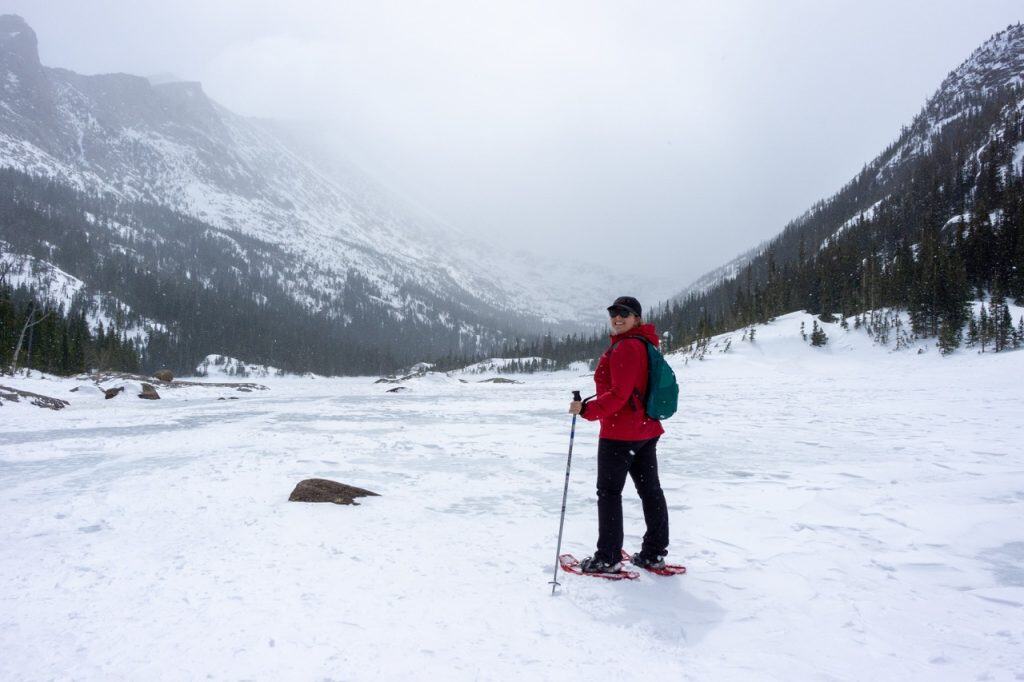
In this guide, I’m sharing exactly what I wear and pack when I head out on a snowy trail, so you can stay dry, warm, and actually enjoy yourself out there. We’ll cover the full winter hiking outfit breakdown, my favorite gear that’s been trail-tested in real snow, and tips I wish someone had told me before I froze my butt off.
Backcountry Emily contains affiliate links, and I may earn a commission—at no extra cost to you. Some gear in this post may have been gifted or part of a paid collaboration, but I never accept products or partnerships I wouldn’t personally recommend. All opinions are 100% my own. As an Amazon Associate, I earn from qualifying purchases. See my Privacy Policy for more information.
Layering: The Winter Hiking Clothing System
You’ve probably heard about “layering” a lot when it comes to outdoor clothing. And people have lots of different opinions about the best layering systems.
Let me tell you a secret: there’s lots of opinions because there’s a lot of clothing options, budget ranges, differing conditions, and personal body differences. Winter hiking in upstate New York is different than in Colorado’s Rocky Mountains, which is different from the wetter Pacific Northwest Cascades.
But let’s put it simply: the layering system is based on 3 layers for both your top and bottom halves:
- Next to skin base layer
- A warm, insulating layer
- A waterproof outer layer
The point of this is to be able to take off and add clothing to suit changing environmental conditions and how your body is reacting to them. Getting hot? Take off a layer. Did it start raining? Put your shell on.
From my thousands of miles of hiking, I do think this system is the best, and I am personally not a fan of layers that claim to do 2 of these things for hiking and backpacking (ex: waterproof insulated layers like parkas – great for downhill skiing, travel and around town, way too bulky and limited for varying temperatures).
I’m going to dive deeper into what I wear for each of these layers below, based on my years of winter hiking in Washington, California, and Colorado.
Baselayers – Sweat Wicking Workhorse
What it is: A base layer is simply the first layer of clothing you wear over your bra and underwear. In teens or sub-0°F temps, you might layer a heavier top over a thinner one.
What it does: Wick sweat away from your body so it doesn’t stay there and make you cold and wet. Because even if it’s freezing – if you’re active and moving – you’re going to sweat.
What to look for: There’s different weights of base layer (you’ll see words like lightweight, midweight, 200, 400, etc.) and different fabrics (polyester, merino, alpaca, tencel, blends). What you choose depends on temperatures and personal preference.
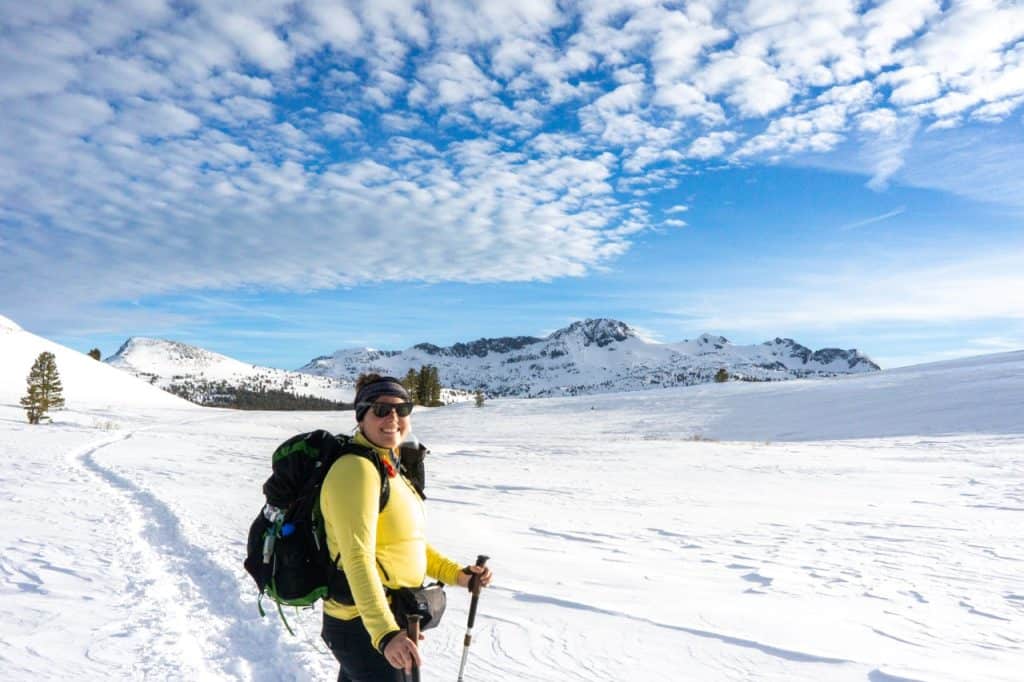
What I use & why: I tend to wear midweight base layers in natural fiber fabrics in the winter. I find that merino and alpaca wool keep my body temperature more consistent when I’m hiking vs. synthetic options that wick sweat a little more quickly, but I feel colder and more clammy when I stop moving.
Mid Layers – Winter Hiking Jackets to Keep You Warm
What it is: Mid layers are worn on top of your base layer and designed to keep you warm. Depending on the temperature, you might layer multiple midlayers.
What it does: Trap body heat but still be somewhat breathable so you don’t overheat.
What to look for: Just like base layers, there’s different insulation levels and amounts, and different fabrics (down, synthetic fill, fleece layers). What you choose depends on temperature, when you need to be warm (are you hiking up a mountain or taking a break at the summit), and personal preference.
What I use & why: I usually have 2 different kinds of midlayers when I’m hiking in the winter. I like to have a lightweight, breathable fleece layer to wear over my base layer while actively hiking, and then I’ll have an insulated puffy jacket in my backpack to wear if it gets colder or I’m taking a snack break or hiking downhill.

Outer Shell Layer – Stay Dry & Protected
What it is: Outer shells – aka rain jackets – are waterproof & windproof layers that protect you from wind and precipitation.
What it does: Keeps you dry when it’s raining & snowing. Attempts to also be breathable.
What to look for: You’ll see things like “softshell”, “2.5-layer”, “GORE-TEX”, or “waterproof to 10,000mm” and it can be confusing. But what you really want is a jacket that is actually waterproof (has taped seams), and ideally 3-layer (more durable), and has armpit zippers so you can control your heat levels. You also want to make sure this jacket can fit over your insulated layers while wearing them.
What I use & why: It depends on the trip. On dry trips or places where it’s going to be dry snow, I use an ultralight rain jacket – the same one I bring on summer backpacking trips. If it’s going to be a wet trip – with wet snow or rain, I bring a shell with a more durable face fabric and more breathable waterproof membrane and more features – like adjustable cuffs and hems, a more built hood, and pit zips.

Pants for Winter Hiking
I swear I didn’t forget about pants! I wanted to cover your bottom half separately because my advice differs a little bit from your top half and because layering up and delayering is definitely more challenging with pants than your top (especially if you’re wearing skis or snowshoes).
There are some baseline similarities though. Basically, it really depends on temperature again, and if it’s going to be actively raining or snowing.
The main pants I wear in winter are softshell pants. Softshells are unique because they are usually windproof, and they are water resistant. But they’re not waterproof, so they’re much more breathable than shell pants but usually not as breathable as thin, summer hiking pants.
If it’s under 40°F, I usually wear a baselayer bottom underneath the pants. The colder it gets, the heavier weight of baselayer I’ll wear.
If it’s heavily snowing or there’s sleet, I’ll put rain pants on top of everything. However, rain pants are notoriously not breathable. So it can get a little hot wearing rain pants on top of 2 layers. So sometimes I’ll actually only wear the baselayer bottoms underneath the rain pants.
On the flipside, if it’s a sunny day, even if it’s around freezing, I’m probably only going to wear the softshell pants, or possibly just fleece-lined leggings, and have the rain pants in my backpack if it gets windy.
Warm Accessories for Hiking in the Snow
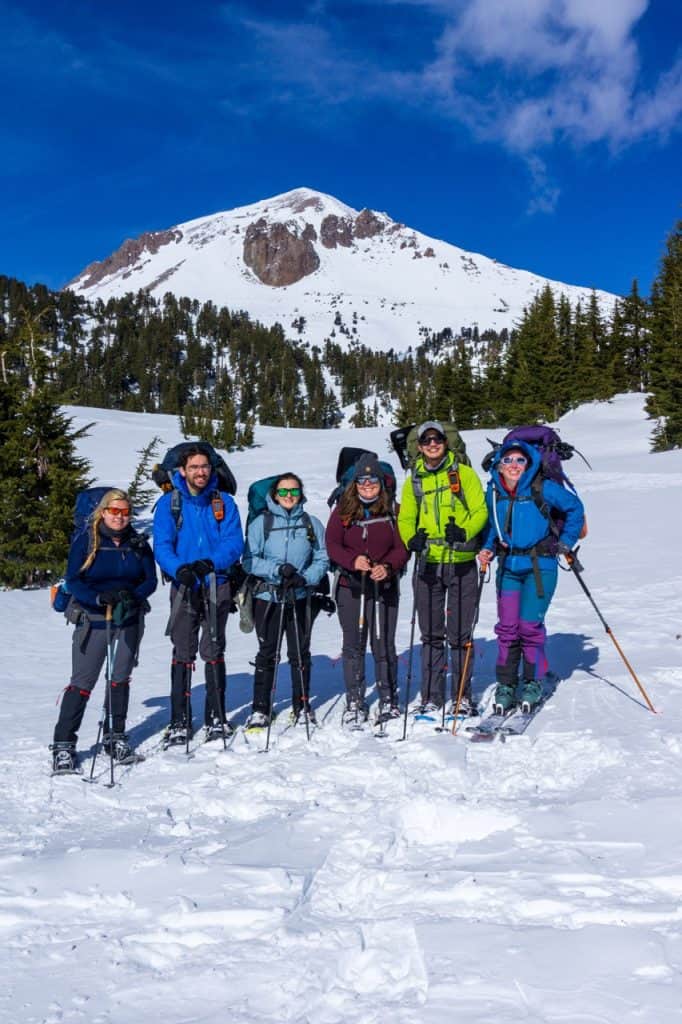
I’m going to be honest: I usually never bring these items when I’m out day hiking in the summer! There’s just really no need. But for winter hiking in freezing temperatures, they make a world of difference in staying warm!
Gloves & Mittens
I’m a little embarrassed to admit how many pairs of gloves and mitts I have. I’ve tested so many and honestly, I have short fingers and it’s kind of hard to find ones that fit well! And of course my favorites aren’t made anymore (gotta make sure I never lose those).
Generally, I wear a liner glove and then an outer waterproof glove or mitten. Gloves offer more dexterity, while mittens are clumsy but warmer.
If I’m going to be in sub-freezing temps, I wear an insulated, waterproof glove or mitten on top of my liner glove. Gloves with wrist straps are also helpful if you anticipate taking your gloves on/off a lot so you don’t drop them or lose them.
On the other hand, sometimes I just need one glove to do it all – has some warmth and weather protection – and I use a softshell glove – similar to softshell pants!
I’m also a big fan of the fingerless mitten flap gloves for easy phone and camera access when I’m not in super cold weather. I’ve never been able to find a “touch screen compatible” glove that truly works well.
I also own the Outdoor Research Alti Mountaineering Mitts and they are the warmest dual-layer mitten I’ve ever worn. They’re too warm for most of the snow camping I’ve done in California, but I purchased them when I was starting to get into mountaineering. So I’d recommend them for extreme cold weather conditions or if you have a circulation condition.
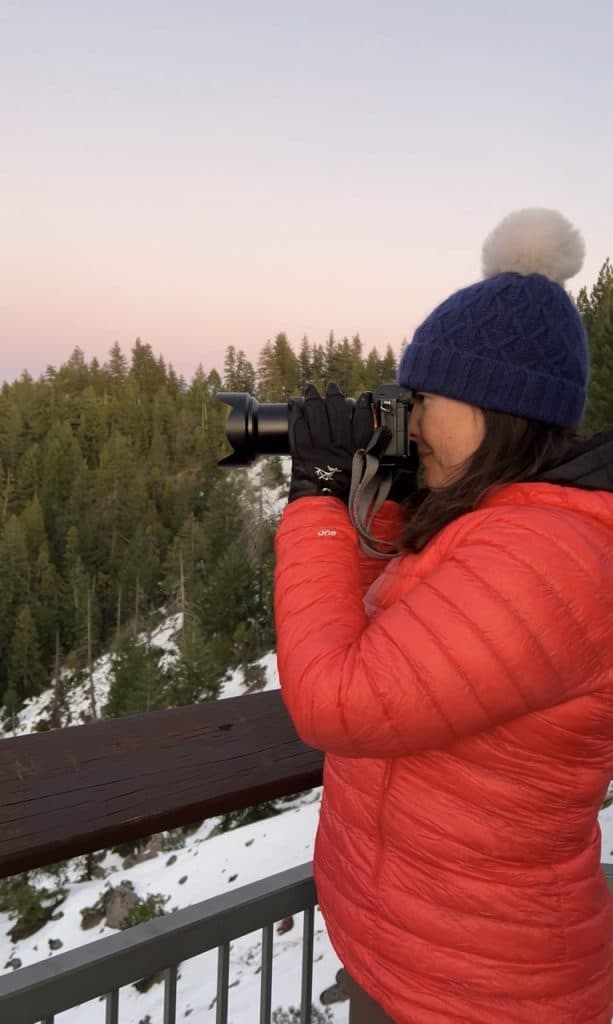
Headwear
My head and ears definitely get cold when I’m out hiking in the snow – especially if it’s windy!
As a woman with longer hair, what I wear kind of depends on how I’m wearing my hair and how cold it is.
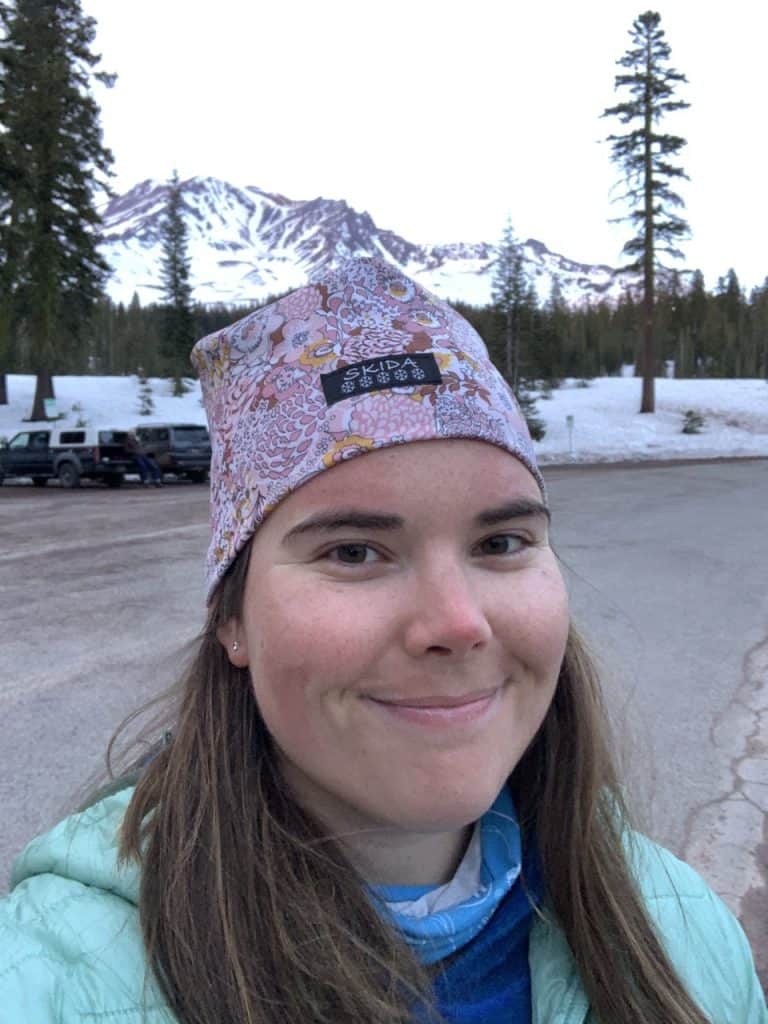
I’ll wear a beanie if it’s really cold & I’m ok with my hair in a braid or down. If I want a ponytail or it’s not super cold, or I’m really working, I’ll wear a fleece headband to keep my ears warm!
I also like balaclavas when it’s super cold. They cover your entire head and neck and your face up to your nose!
Neck Gaiter
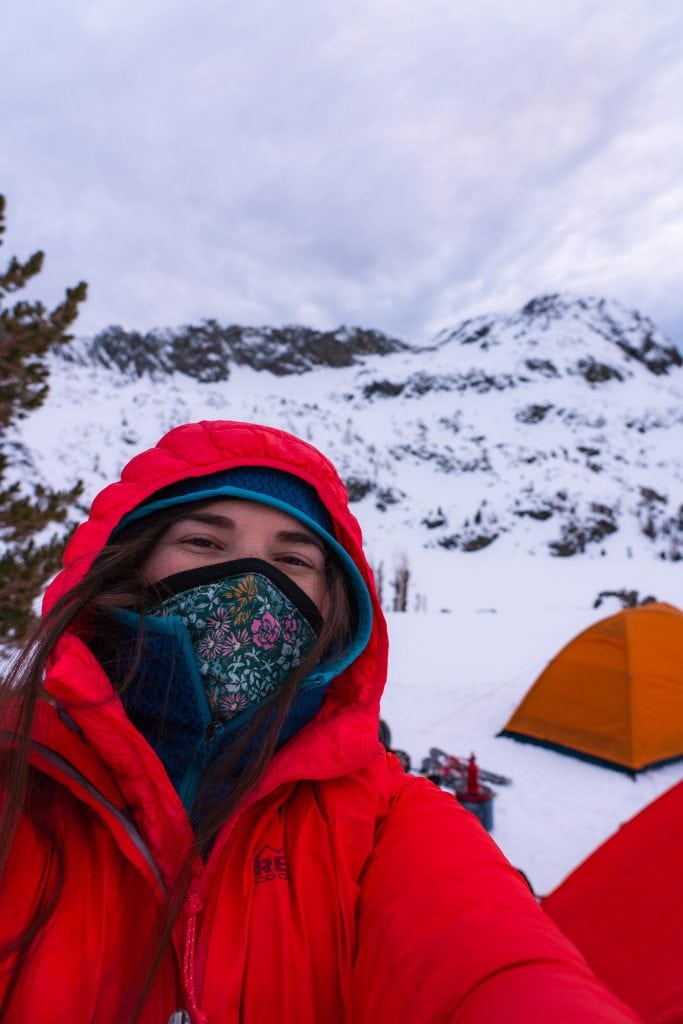
Similar to the balaclava I mentioned above, but a neck gaiter just covers your neck and you can pull it up a bit if you want your face covered too. They do a lot of things, but the main reason to have one in winter is to provide warmth to your neck area and sun protection.
There are thin versions to mainly wick sweat and protect from the sun and then there are heftier, fleece ones to provide more warmth. You can probably guess what I’m about to say next – but which one I choose really depends on how cold it is and what I’m doing! But 90% of the time I grab a fleece neckwarmer for the winter.
Hand & Foot Warmers
These are crucial! I don’t use them all the time, but I like to bring them in my backpack in case it’s colder than expected and as an emergency warmth item.
There are rechargeable hand warmers and disposable ones, but only disposable for the toe area. I’ve had mixed results with toe warmers. Sometimes they work and sometimes not – it probably has to do with how much they’re exposed to the air before you put them in your boot. So best to probably open them in the car on the drive to the trailhead, then put them in the shoe right before you start hiking.
I don’t yet own rechargeable hand warmers but I’d like to get a pair to cut down on waste and one-time use options.
Footwear for Hiking in the Snow
So I actually normally never wear waterproof boots – opting for more breathable trail runners. But in winter – I am always wearing waterproof, insulated hiking boots if I’m hiking on snow.
It’s actually pretty amazing how cold your feet can get if you’re hiking on snow and not wearing an insulated boot – trust me, I’ve tried it. I’ve worn just waterproof and not insulated boots while snowshoeing and I won’t be doing it again. The cold snow just saps heat from your feet.
So yes, you’ll want waterproof, insulated boots in the winter. I don’t have super tall ones since I’m usually not trudging through deep snow, but you might want to get taller boots for deeper snow. Just make sure they work well with your baselayers and pants.
Something else you want to consider when picking winter boots: make sure your toes can wiggle around and you have a thumb-width of space between your longest toe and the front of the boot. If your shoes are too tight, you’ll restrict blood flow and make your feet colder! You also need to make sure a thicker sock can fit inside the boot. I highly recommend going to REI and getting properly fitted.
Some other items to consider for winter footwear:

Sun Protection
Don’t forget that the sun is still out there in winter! And when you’re hiking on snow – it can actually reflect off the snow and bounce back up and burn you in weird places – like underneath your chin or your nostril area!
Many of the items I mentioned above have sun protection built-in as long as you’re wearing them, but you should definitely still wear sunscreen on exposed skin and sunglasses or goggles to prevent snowblindness (yes, you can burn your eyes if you don’t protect them when hiking in the snow all day. I’ve met multiple people who have experienced this and it sucks).
Snow Hiking FAQs
Can I hike in jeans in the winter?
I would not recommend it. Jeans hold onto water for a long time and don’t insulate – it’s asking for hypothermia. You want to wear clothing that wicks sweat and dries fast.
Do I need waterproof boots for winter hiking?
Yes if you’re hiking in snow, and I’d recommend they be both waterproof and insulated. Even if you live somewhere where there’s not a lot of snow but there’s lots of rain and the trails get really wet and there’s lots of plants and puddles on the trail – waterproof shoes will keep your feet dry and warmer vs. non-waterproof trail runners.
They’ll dry slower though, so keep that in mind for back-to-back hiking days!
Can I wear a waterproof parka for winter hiking?
A parka is a longer jacket that usually covers your thighs to your knees at the shortest length and is waterproof and insulated.
I’d recommend wearing a parka when winter hiking only if you were going to be in very cold climates. Think Antarctica, Canadian Rockies, above the Arctic Circle (Yukon, Alaska, Iceland, Finland, etc.). In general I find parkas to be unwieldy and hard to move efficiently in. And they do a good job keeping you warm: too good of a job sometimes and you get too hot wearing them if you’re hiking, especially uphill.
So they’re great for travel and sightseeing in cold places and short, easy hikes, but they’re cumbersome for more intense winter hiking.
Can I wear my ski jacket for winter hiking?
Sure. But similar to a parka, ski jackets are often bulkier, heavier, and less versatile than having separate layering pieces for hiking in.
Can I wear my summer hiking pants in the winter?
You can, but I would definitely adapt them for winter. Wear a base layer bottom beneath them, waterproof gaiters on top of them, and have rain pants ready in your backpack to pull over them if it gets really windy or starts to rain or snow.
How do I stay warm while hiking without overheating?
Mastering the art of layering is key! I also recommend starting your hikes “cold” – even though it is SO tempting to start with all your layers on. Believe me, once you start hiking, you start to warm up and you’ll be stopping to take your layers off and might already be sweaty at that point. By starting cold with just your baselayer on and maybe your shell, you’ll let your body heat warm you up vs. overheating from your clothing.
Safety Reminders For Winter Hiking
Please, please, please remember that all hiking carries risk, but hiking in the snow inherently is more risky due to avalanche dangers, hypothermia, and frostbite.
If you’re a beginner I highly recommend to stay on shallow slopes where the risk of avalanche is low, and to bring more items to keep you warm than you think you need. Once you become more advanced, you will learn your body, needs, and gear more and be able to make choices about your gear systems.
To find out about avalanche dangers, google “Avalanche forecast [name of mountain range you’re hiking in]”. There are specialized avalanche programs that monitor the snowpack throughout the winter and provide daily forecasts about dangers in the mountains.
Final Tips to Dress Smart & Stay Warm This Winter
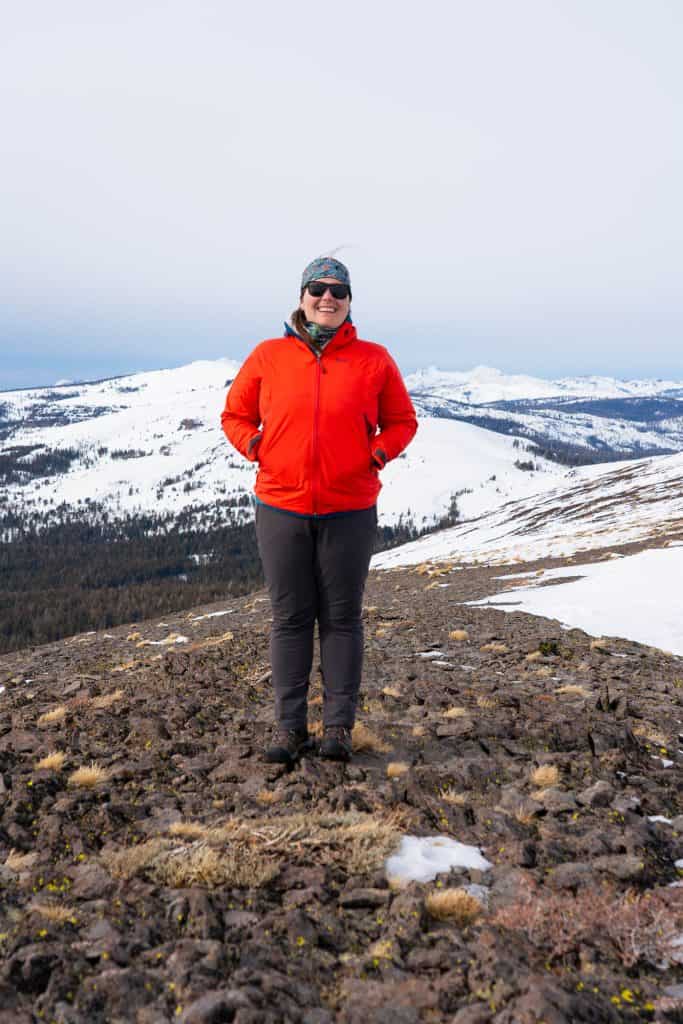
As long as you have your layers, winter hiking will be tons of fun – I promise! Remember when you’re getting your snow clothes to size up where it makes sense so you can accommodate your layers, and stick to quick-drying synthetic options or natural wool options to prevent being soaked from your sweat.
I’d also recommend taking some notes when you’re out recreating in the winter about your clothing so you know what works best for you in different environments! Just a quick “it was 25°F and sunny, I wore x,y,z while hiking, and I was comfortable when moving but got cold at my turn-around spot on the ridge when I was enjoying the view.” And then just make incremental adjustments from there!

