
How To Visit Sequoia National Park: A First-Timer’s Guide
Planning a trip to Sequoia National Park sounds straightforward – just go see the big trees, right? Sure… until you realize how many completely different ways there are to experience it.
I’ve visited Sequoia more times than I can count — but never the same way twice. My first time technically “visiting” was hiking through on my Pacific Crest Trail thru-hike. Since then, I’ve come back for quick sightseeing trips, explored remote alpine lakes in Mineral King, passed through again on the John Muir Trail, summited Mt. Whitney 4 times, and even visited in winter to see the Giant Forest covered in fresh snow.
And here’s the thing: each trip felt like a completely different park.
Sequoia isn’t just about seeing the biggest tree in the world (though yes — you should definitely do that). It’s a place where you can go from hot, dry foothills to snowy alpine peaks in a single day, hike deep into the wilderness for days on end, or stick to shorter trails and still see some of the most impressive landscapes in California.
I’m going to walk you through everything you need to know before visiting Sequoia National Park — including when to go, how many days you actually need, where to stay, how to get around, and which areas of the park are worth your time depending on the kind of trip you want.
Whether you’re planning a quick first visit or trying to figure out how to experience more than just the highlights, this guide will help you make the most of your time in the park.
Backcountry Emily contains affiliate links and I may receive compensation - at no extra cost to you! As an Amazon Associate I earn from qualifying purchases. See my Privacy Policy for more information.
Why Visit Sequoia National Park?
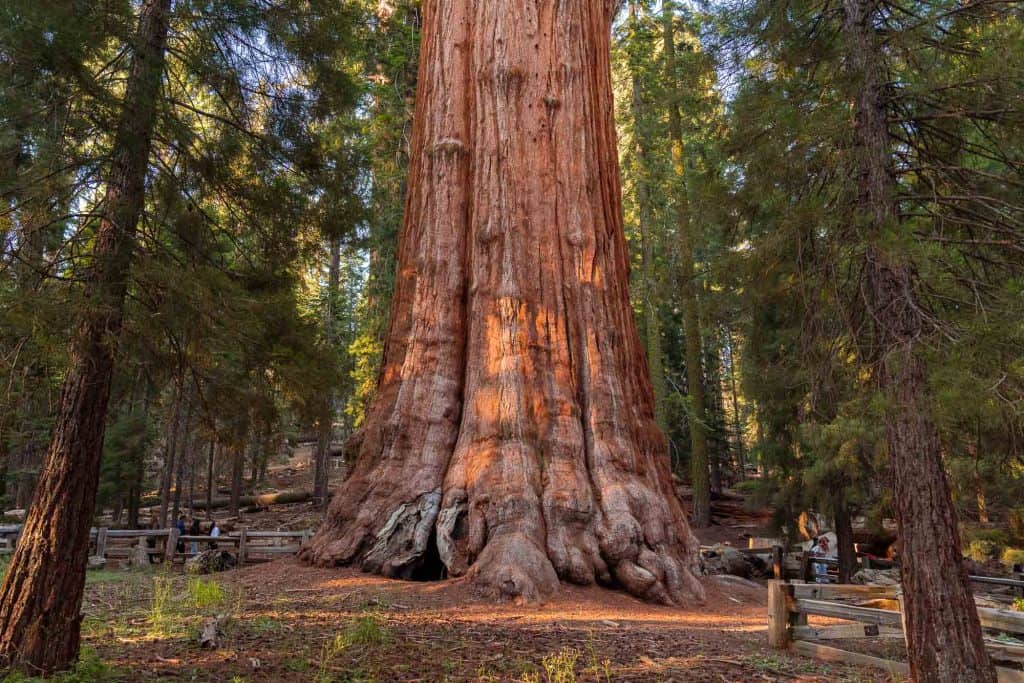
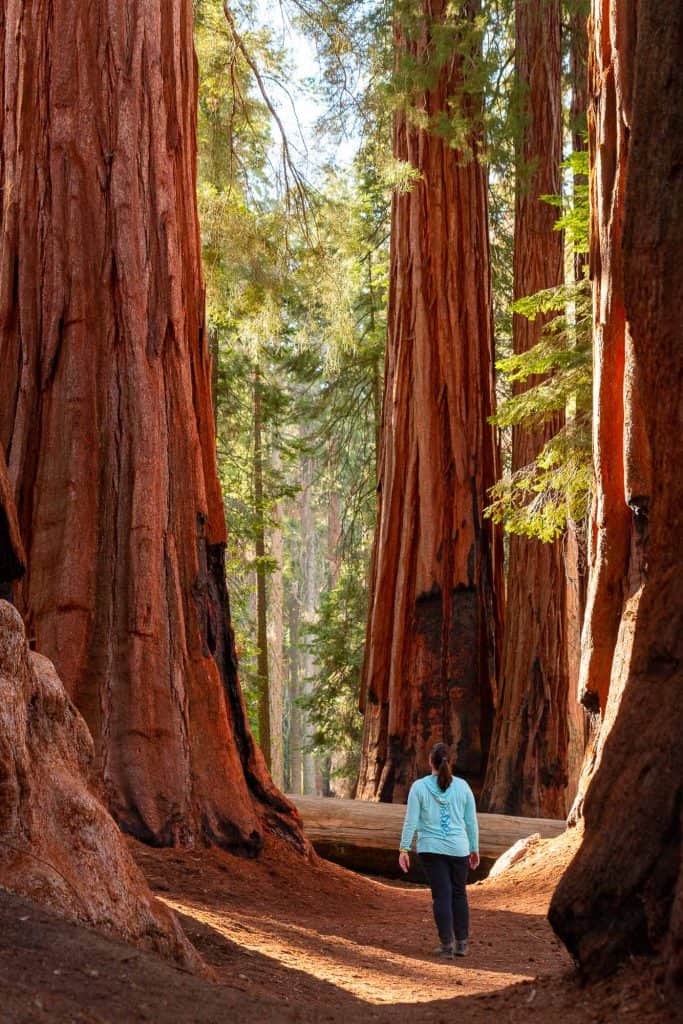
First things first, Sequoia is amazing and home to the Giant Sequoia – Sequoiadendron giganteum – the largest trees by mass on Earth. The western slopes of the Sierra Nevada are the only place in the world the Giant Sequoia is native to, and they are an endangered species, with less than 80,000 remaining in California.
So if you are a nature nerd and love trees, that is reason enough to add Sequoia National Park to your bucket list!
For my non-nerds: you’ll still appreciate how enormous these trees are, and I’m sure you’d love the chance to see beautiful mountains, alpine lakes, and even a marble cave!
Sequoia vs. Kings Canyon
Sequoia and Kings Canyon are actually 2 separate national parks, but they’re managed by the park service together and they share a very large border with each other in the wilderness. They’re both surrounded by Giant Sequoia National Monument and Sequoia National Forest.
Sequoia and Kings Canyon are home to Giant Sequoia tree groves, and they’re actually pretty similar in terms of features park-wide. But, I do think Sequoia is easier to visit if you are short on time and looking for more variety.
Kings Canyon is absolutely gorgeous, and the canyon itself is one of the deepest canyons in the United States. But the majority of Kings Canyon’s beauty, in my opinion, is deep in the backcountry with stunning peaks and alpine lakes: trips that need at least a week of backpacking to enjoy.
Regions of Sequoia and How to Choose Where to Go
Many people think the only place to go in Sequoia is the Giant Forest – where the General Sherman Tree lives. But Sequoia is massive with so much more to offer than just the Sequoia Trees – like Mt. Whitney – the tallest mountain in the lower 48 United States!
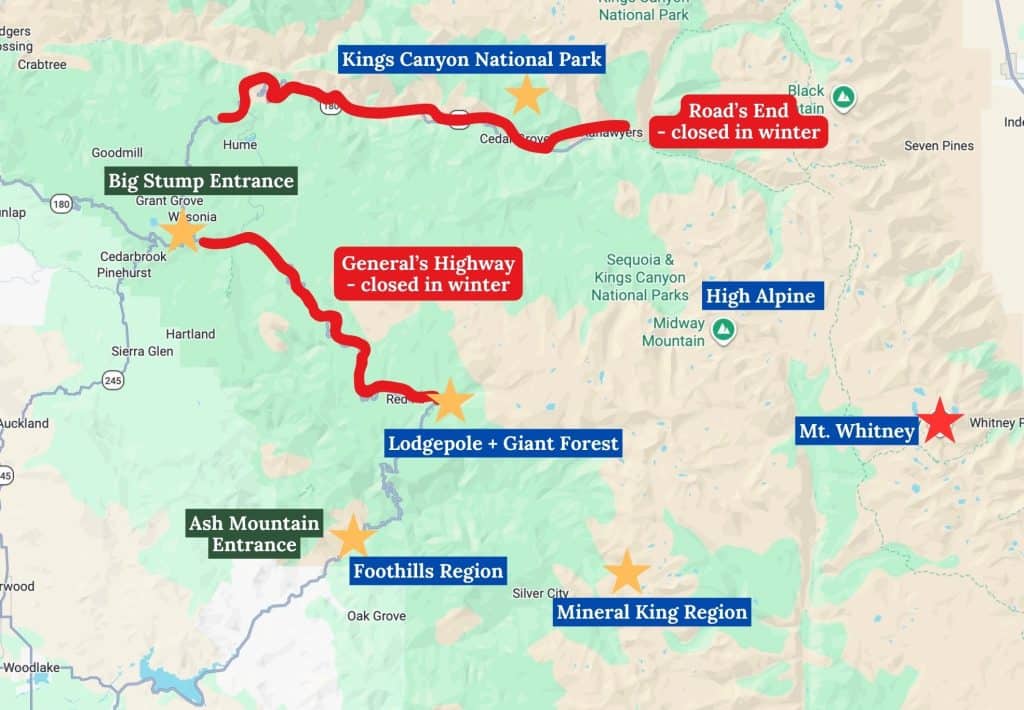
Lodgepole + Giant Forest
→ Go for: Sequoia trees, first-time visitors
The Lodgepole area is where you’ll find the most Sequoia trees, the most popular in-park lodging, visitor centers, the shuttle service, and food. It’s essentially the hub of the park, and the busiest spot. I’ve camped at the Lodgepole campground twice and think it’s a great spot to stay for a first-time camping trip and visit.
Foothills
→ Go for: Caves + waterfalls
The foothills region is more popular in winter and spring when temperatures aren’t too hot. Marble Falls and the Crystal Cave are 2 popular attractions in this area, as well as spring wildflowers and the roaring Kaweah River.
Mineral King
→ Go for: Alpine Lakes
The road to Mineral King is not for the faint of heart. It’s long, winding, and narrow, and it takes quite a bit of time to reach the valley from Three Rivers. But if you’re looking for alpine lake hikes and a lot less people than the Giant Forest area, this is where you want to go!
Mineral King has a really interesting history: Walt Disney wanted to purchase it and turn it into a ski resort! And when you get to the valley, you’ll see why. It’s stunning. But thank goodness he didn’t and we now have this untrammeled beauty to explore.
I love Mineral King – it has some of the best backpacking in the park – but if it’s your first time to the park and you’re visiting for 3 days or fewer, I’d skip it and save it for a longer visit.
High Alpine / Wilderness
→ Go for: Backpacking
My first real trip to Sequoia was to thru-hike the High Sierra Trail: a 72 mile hike from the Giant Forest to the top of Mt. Whitney – all the way on the other side of the park!
You don’t have to hike the HST to experience the high alpine of Sequoia – some day hikes will give you a little taste – but if you want to see some of the most beautiful alpine lakes and peaks, you’ll want to get into Sequoia’s backcountry.
Some parts of Sequoia’s high alpine will be more easily accessed from the eastern side of the Sierra Nevada – from towns like Lone Pine and Independence. Be warned though: there are no easy day hikes into the park on this side of the mountains – you’ll mainly be able to access Inyo National Forest.

Best Time of Year to Visit
Sequoia National Park might have the largest variety in elevation of the entire park service. The Foothills are at 1,800 ft. above sea level, while Mt. Whitney – the tallest point – is 14,505 feet above sea level! Absolutely wild!
So even within each season of the year – Sequoia will be drastically different at its different altitudes. When I visited in early March – the foothills were green and wildflowers were blooming but there was a snowstorm in the Giant Forest!
With that said, summer is the best season to visit to experience the most the park has to offer.
Summer (June – September)
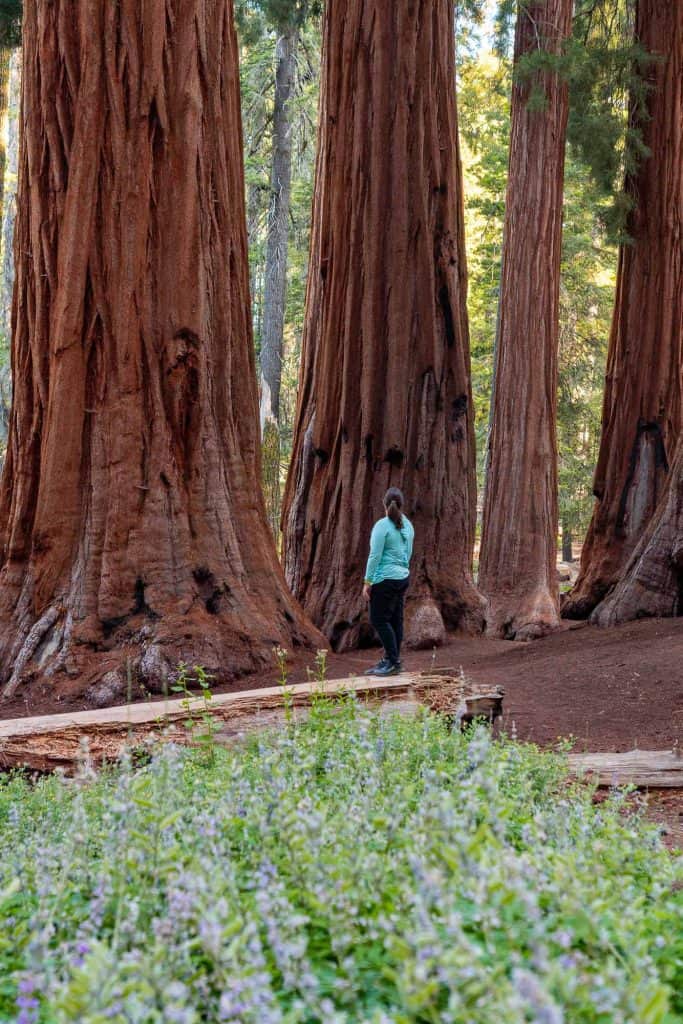
Summer is the best time to visit Sequoia if you want to experience a little bit of everything: from Sequoia trees, to rushing waterfalls, to mountain hiking. You might even get lucky and be there during a lupine superbloom in the Giant Forest!
Summer is when all of the roads, lodging, campgrounds, concessions, and visitor centers are open for the season.
High temperatures range from the high 60s – mid 90s Fahrenheit (20-36°C) and lows range from the mid 40s – high 60s (7-20°C) depending on which part of the park you’re in. Remember: even though it’s hot and summer, thunderstorms are a reality – so be prepared for rainy days too!
The majority of my trips to Sequoia have been in the summer and it’s when I go backpacking and enjoy the higher elevations.
Fall (September – November)
Fall is a quiet time in the park. A lot is still open – but the first snow storms move in and can temporarily close roads and park areas. The road connecting Sequoia and Kings Canyon usually closes sometime in November.
If you’re mostly interested in only visiting the Sequoia tree groves – this is an excellent time to visit the park.
High temperatures range from the 50s – 80s Fahrenheit (10-30°C) and lows range from the low 30s – low 50s (-1-10°C) depending on which part of the park you’re in. Rain becomes more common in mid-September.
Winter (December – March)
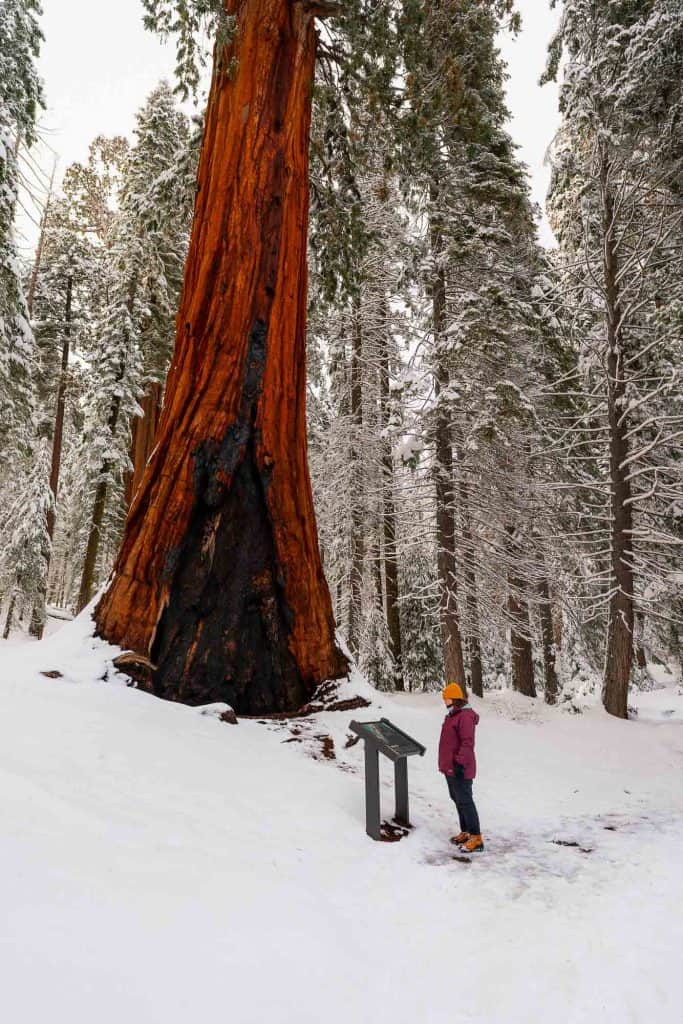
Winter can be an incredibly special time to be in the park. I visited in early March for the first time last year and got to experience a fresh snowstorm in the Giant Forest and cried from how amazing it was to see the deep red Sequoia trees surrounded by fresh fluffy snow.
I couldn’t recommend it more, but you’ve got to be prepared if you want to visit the park this time of year.
Most facilities are closed, and with the park shuttle only running on holiday weekends, you’ll want a car with AWD and snow tires and cables to drive into the park.
High temperatures range from the low 40s – mid 50s Fahrenheit (8-16°C) and lows range from the low 20s – high 30s (-5-5°C) depending on which part of the park you’re in.
Spring (March – May)
Spring is a transition time for Sequoia. Snow is beginning to melt, and rivers are rising and roaring, but you’ll still get the occasional huge snowstorm – like the one that blew through in mid-April this year!
The Sierra is a mountain range that has variable weather, and spring might be the most varied of all the seasons. If you are planning to visit in the spring, you’ll want to be prepared for winter or summer conditions, but you should still plan on only visiting the Sequoia groves and the Foothills region – the high alpine will be too snowy for most hikers.
High temperatures range from the low 50s – high 80s Fahrenheit (10-26°C) and lows range from the low 30s – low 50s (-1-15°C) depending on which part of the park you’re in.
How Many Days Should You Spend in Sequoia?
I know I keep saying it, but Sequoia is so varied, and there is so much to see and do.
If you’re visiting in the summer and love to hike, I’d spend at least 3 days in the park. If you are planning to visit Kings Canyon in addition to Sequoia, I’d plan to spend 4-5 days total between the parks.
If you are not much of a hiker and just want to see the main sights, you’ll be content with 1-2 days in Sequoia.
How Much Does it Cost to Visit Sequoia?
National Park entry costs changed in 2026 and there is now a difference between US Resident pricing and Non-US Resident Pricing.
- US Resident: $35 for you entire vehicle
- Non-US Resident: $35 for your vehicle PLUS $100 surcharge/person in vehicle. You can avoid this surcharge by purchasing a non-US resident America the Beautiful Pass for $250.
I recommend everyone purchase an America the Beautiful Pass for visiting parks and forests in the USA. It’s $80 for residents and $250 for non-residents each year, so it will save you tons of money if you visit a couple of parks every year.

How to Get to Sequoia
Park Entrances
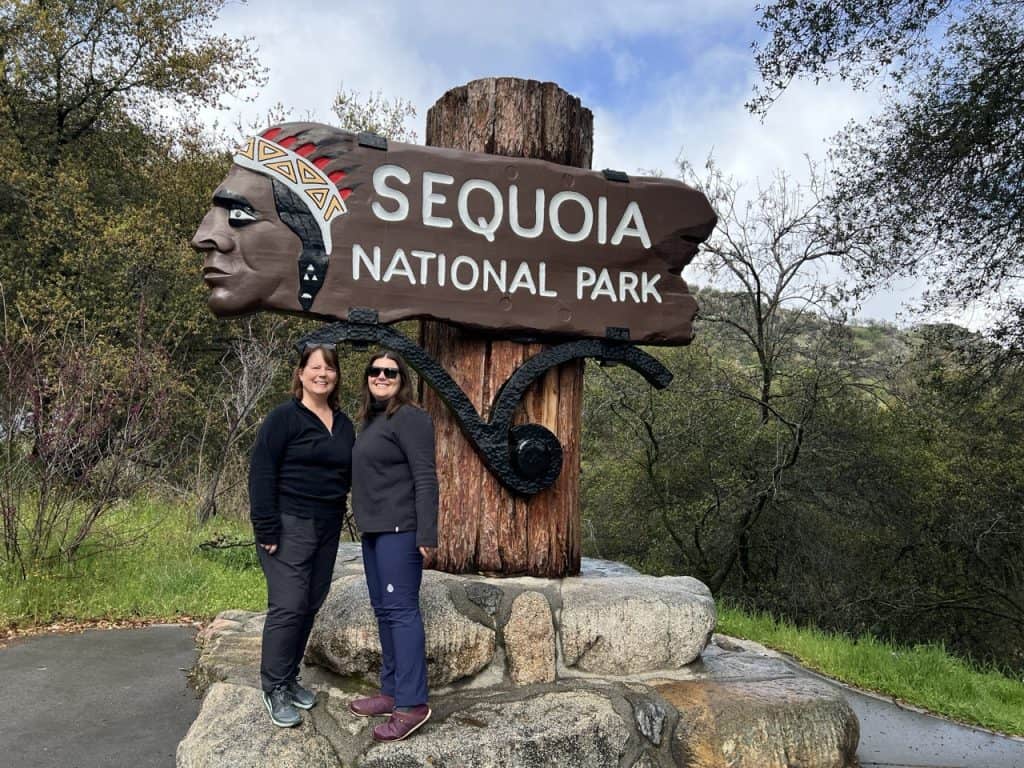
There’s 2 driving entrances in Sequoia-Kings Canyon. The Ash Mountain Entrance is in the Foothills of Sequoia in Three Rivers, CA. This is the entrance you’ll use to get to Sequoia when the General’s Highway is closed, and if you’re staying in lodging in Three Rivers.
The Ash Mountain Entrance is an approx. 1 hour 25 min drive from Fresno, CA and a 45 min drive from Visalia, CA. It takes about 1 hour to drive from Ash Mountain to Lodgepole. This entrance can experience long delays in the summer since there is only 1 entrance booth on this 2-lane road.
The second is the entrance to Kings Canyon on Highway 180 – the Big Stump Entrance. This station has more entrance booths and lanes and generally moves a little faster.
The Big Stump Entrance is an approx. 1 hour 10 minute drive from Fresno, CA and 1 hr 20 min drive from Visalia, CA. It takes about 45 minutes to drive from the Big Stump Entrance to Lodgepole in Sequoia when the General’s Highway between the 2 parks is open.
I’ve taken both entrances and routes before – but when I’m driving from San Francisco, where I live, I take the northern, Big Stump entrance to get into Sequoia because it seems faster and to avoid the long, windy road up from Three Rivers.
Closest Airport
Fresno Yosemite International Airport (FAT) is the closest airport to Sequoia National Park. But, most people will probably find better flight deals to San Francisco, San Jose, or Los Angeles, CA.
Visalia, the largest gateway city to Sequoia, is slightly (80 miles) closer to Los Angeles, CA, but if you’re flying, I’d just fly into whichever airport gives you the best deal and is the best use of your time since you’re going to need to rent a car anyways.
Driving from SF or LA can take anywhere from 3 – 5 hours depending on traffic, but if you’re doing a larger California road trip, might be the better option, regardless.
How To Visit Without a Car
If you don’t rent a car, you have limited options when visiting Sequoia National Park, but it’s not nonexistent!
The Sequoia Shuttle is what you’ll use to transport between Visalia, Lemon Cove, Three Rivers, and the Giant Forest Museum. It runs during the summer months only. You can book one-way and round-trip tickets on the shuttle. It’s a small vehicle – 16 passengers max – so you’ll want to book as soon as you know your trip dates if you don’t want to rent a car.
Once you’re in the park in the Giant Forest area, you can use the free, ticketless National Park shuttles to explore Sequoia – but you’ll be limited to the Lodgepole and Giant Forest area.
Getting Around the Park: Driving and Parking Tips
I recommend having a car to visit Sequoia. While the Sequoia Shuttle exists, having your own car means having the most flexibility! You’ll also need a car to visit outside of summer!
The roads in Sequoia and Kings Canyon are engineering marvels – and they can be incredibly steep, winding, and narrow with hairpin turns – especially the Generals Highway between Three Rivers and the Giant Forest.
✈️ Flying in? Check rental car prices here.
Windy Roads and Vehicle Length Restrictions
Sequoia does have vehicle length restrictions on certain roads. If you’re under 22 ft in length, you’ll be fine on any of them. If you’re over that length, you’ll want to read this page to understand where you can and can’t drive.
We drove our 22 ft campervan to Potwisha just fine. But used our Subaru Outback to drive between the campground and Giant Forest (mainly because of the R2 road conditions in winter). After driving that road multiple times, I know the van would have been fine on it in summer, but you do have to take it slow and use pullouts often for smaller, more nimble cars to pass.
I’ve driven the Mineral King Road and Cave Road in my Outback just fine – but it’s true – they are windy and narrow and you must be alert when driving. I thought Cave Road was worse than Mineral King Road – but Mineral King Road is just sooo long compared to Cave Road.
If you experience motion sickness, you should be prepared for that on the drive to Sequoia and bring whatever helps you not get sick (I don’t get sick so sorry, no recommendations here).

Road Closures
Roads in the park have seasonal closures, and some will close intermittently due to bad weather.
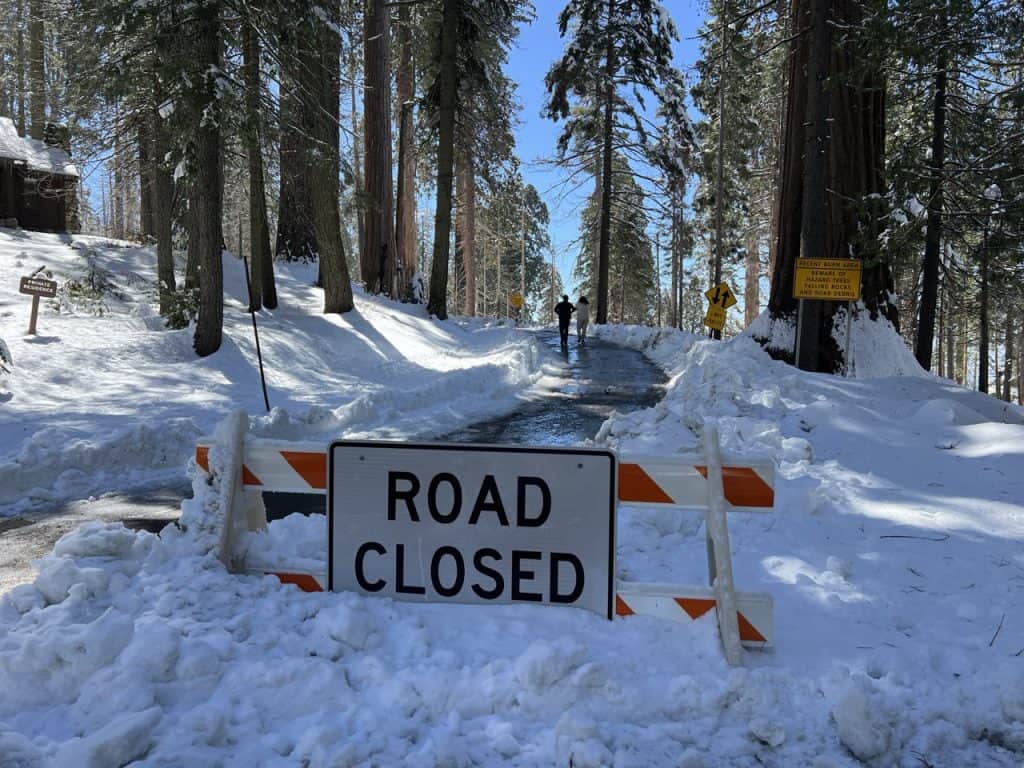
The Generals Highway between Kings Canyon and Sequoia, the roads to Crystal Cave and Mineral King, and the road to Crescent Meadow and to the upper parking lot for the General Sherman in the Giant Forest all close in winter.
In Kings Canyon, the road closes below Hume Lake in winter so you can’t reach Cedar Grove.
Winter storms will close the Generals Highway between Hospital Rock in the Foothills and the Giant Forest if they’re bad enough. This road will also have chain restrictions in the winter – so make sure you check before going! You can also call (559) 565-3341 for conditions.
In the summer, the Crescent Meadow Road will be closed to private vehicles during certain times of the day and you must take the park shuttle if you want to do hikes like Moro Rock or Tharp’s Log.
Gas
There is no gas in Sequoia, so make sure you fill up before entering the park!
I usually use the Costco in Visalia for the best price, but there are gas stations in Three Rivers too. If you’re low on fuel and driving in between Sequoia and Kings, I’d recommend topping off at Stony Creek Lodge. Their gas wasn’t too crazy priced, but it’s also the only option between the parks.
Pro tip: I didn’t stop for breakfast here, but I was filling gas at breakfast time at this lodge and the smell of pancakes from the parking lot was intoxicating – so if you’re looking for good food – this place probably has it.
Parking Lots
There are a few main, large parking lots in the Giant Forest area in Sequoia. The Giant Forest Museum Lot, Lodgepole Lot, Wolverton Lot, and the General Sherman Tree Lot.
These parking lots are large, but will fill up in the summer. The good news is, once you park in one, you probably don’t need to move your car all day, since you can use the free park shuttle to get around to the main sights, which is what I’d recommend doing during the summer if you’re not camping at Lodgepole.
In the summer I’ve always gotten a spot in a lot if I arrive before 8:00 am (and there’s plenty of space at that time) – and in the winter, I never had an issue driving around and parking wherever I wanted.
There’s also a few small lots around the Wuksachi Lodge, but the park shuttle doesn’t visit the lodge everyday – so it’s not the most convenient place to park.
There are handicap placard-only lots at accessible trailheads: The General Sherman Tree Lot on the General’s Highway and the Big Trees Trail Lot.

Park Shuttle System
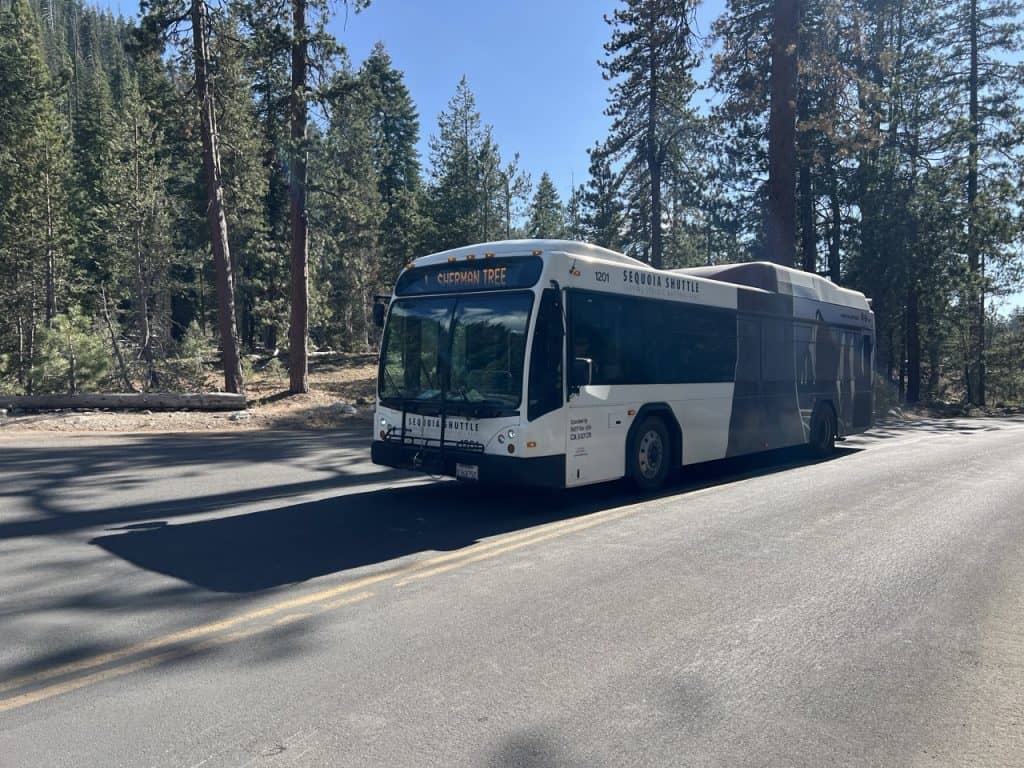
Sequoia National Park runs a complimentary, ticketless shuttle. It is a hop-on, hop-off style shuttle with pre-designated stops.
There are 4 different lines and they basically connect the Wuksachi Lodge at the north end of the Lodgepole area (only on weekends) to Crescent Meadow at the south end of the Giant Forest, and all of the locations in between.
I’ve used the shuttle on each of my summer trips to Sequoia and it’s been super handy. I love that I don’t need to drive around so much, and I really love how it allows me to do one-way hikes. Last summer I parked at the General Sherman Tree Lot early in the morning, and I hiked through the Giant Forest to Crescent Meadow, and took the shuttle back to my car.
The only downside of this is the shuttles can be a little slow. I waited over 20 minutes for one of the shuttles and it was kind of agonizing standing in line in the sun just waiting.
The shuttle routes are also limited and you might need to transfer shuttles which is kind of confusing and takes longer. I prefer the style of Yosemite’s shuttles where they just drive circles around to all the stops in the valley continuously vs. needing to transfer to a different bus to get somewhere else.
Must-See Sights in the Park
General Sherman Tree
The General Sherman is the largest tree in the entire world by volume, and is definitely a must-see on your trip to Sequoia. It’s also one of the easiest sights to see: it’s a wheelchair accessible destination!
I like to visit early in the morning for peace and quiet here. I have visited midday and in the evening and been disappointed by people: watching them litter, climb over the fences, and even try to feed animals.
So please remember, this is a natural place and you need to respect the rules, animals, nature, and other people. Leave No Trace!

Moro Rock
Moro Rock is like a mini-Half Dome: A giant granite dome – but this one has steps and railing carved into the side – and you don’t need a permit to hike it! And it’s right next to the parking lot!
Moro Rock is one of my favorite hikes in the park. And I love to do it at sunset – you get mountain views of the Great Western Divide and Foothills views to the west. It’s really stunning.
Just be aware if you are afraid of heights, this hike can be a little vertigo-inducing and I did see people nervous to walk out on the top of it – even with railings.

Lodgepole Area
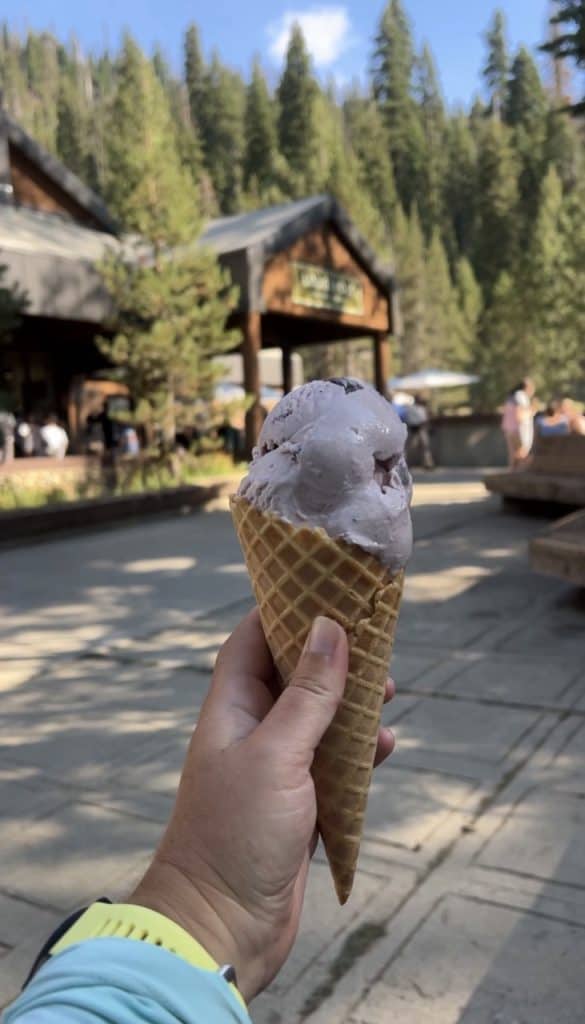
There are some really pretty views of granite mountains – like the Watchtower – near the Lodgepole Campground. This area also has a cafeteria (the ice cream is delicious!), the wilderness center and education area, access to the Marble Fork of the Kaweah River, and the trailhead to hike to Tokopah Falls – one of my favorite hikes in the park!

Crystal Cave
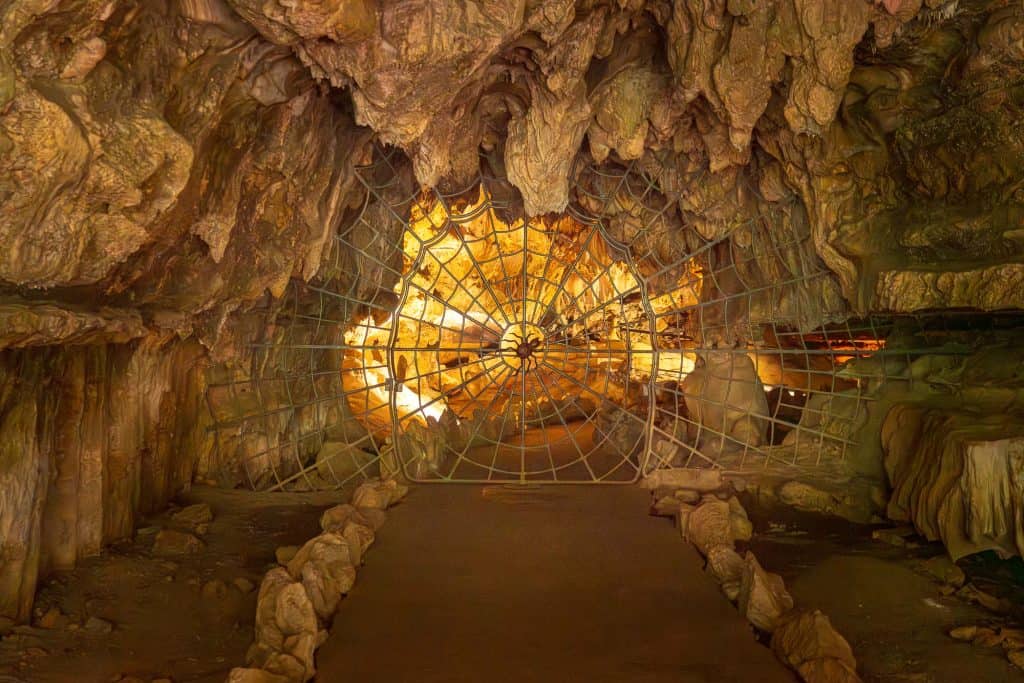
I would say that the Crystal Cave is a must-do on a visit to Sequoia if you have more than 2 days to explore the park. It was such a unique experience. I already want to go back and do the longer “WILD” tour experience to explore deeper in the caves!
👉 Check out more of the best things to do in Sequoia National Park!
Wildlife in Sequoia
There’s tons of wildlife in Sequoia and you’ll be lucky if you get to see any! You’re most likely to see mule deer, squirrels, chipmunks, and lots of birds and insects, maybe even bats if you’re out at night!
Mountain lions and Bighorn sheep exist but are very elusive. The largest animal you’re likely to see will be the Black bear.
Black Bears
American black bears are common in Sequoia, and I have seen them a few times in the park. There are certain things you need to do to keep yourself and the bear safe, but overall, you shouldn’t be afraid of them.
- Never store scented items in your vehicle for long day trips or overnight (food, wrappers, deodorant, toothpaste, etc.) – use bear lockers for this (RVs and hard-sided campervans are OK if food is not visible).
- Bear spray is illegal to use in the National Park.
- If you see a bear on a trail, back away slowly, get out of its way, and talk/ sing loudly to it. Let it move out of your way before continuing on the trail.
- If you see a bear in a campground, parking lot, or picnic area, do your best to scare it away – yell “HEY BEAR” as loud as you can, even throw sticks and small rocks at it. The goal is to keep bears afraid of humans.

Where to Stay When Visiting
Inside the Park
There is only one hotel in Sequoia National Park and that is Wuksachi Lodge. Prices are moderate – ~$350/night on the lower end. This lodge is generally open from mid-March through the end of December unless a large snow storm completely closes the road earlier. If visiting in winter, make sure the road is open between Lodgepole and Wuksachi before booking.
In the summer, staying just north of Sequoia National Park at Stony Mountain Lodge is also an option. It’s technically outside of the park boundary, but is within the National Monument.
I haven’t stayed at either option, so I can’t really say if it’s worth the cost, but I will say – when you stay inside the park, you avoid driving a ton. But, the food options are pretty limited in Sequoia vs. Three Rivers – so there’s definitely pros and cons!
Gateway Towns
Three Rivers, CA is the closest gateway town to Sequoia, just outside of the Ash Mountain Entrance. There are tons of hotels and lodges in this area. One of my favorite spots is AutoCamp.
→ If you’re booking hotels for a summer visit, be sure to make reservations as soon as possible – rooms do fill up!
Camping Options
Sequoia has 6 campgrounds in the park boundaries. 2 are in the Foothills area, 2 are in the Mineral King Valley, and 2 are in the Lodgepole zone. The only campgrounds that are open year-round are the Foothills campgrounds.
I’ve camped at Lodgepole and Potwisha 2 times each. Potwisha is a great place to stay in the winter, has a good amount of trees, but not the most privacy. It can also be really buggy in the summer – I was layering on the bug spray.
Lodgepole is the most popular site in the park, and centrally located. The first loops before the huge parking lot in the middle of the campground are really exposed with not a ton of shade during the day or privacy from your neighbors. The loops further back have more shade, but the sites are still relatively close together.
All campgrounds require reservations to camp: you can’t just show up and get a first-come, first-served site. Potwisha and Lodgepole camps (the most popular) open for reservations 4 months in advance, and the others open 1 month in advance.
Some campgrounds (Dorst Creek, Buckeye Flat) have been damaged by fires and storms and haven’t been open in a few years. Checking the campground webpage from the NPS will give you the most up-to-date info about campgrounds!
→ Looking for camping but everything is booked? Set an alert with Reserve Nature and be instantly notified when a cancellation happens!
Food and Restaurant Options in the Park
Food is limited in the park. You can find snacks and some ready-to-eat and microwaveable meals at the Lodgepole Market. The market also has a Grill with food like burgers – this is only open late spring – early fall usually.
The Wuksachi Lodge has a restaurant serving breakfast and dinner, and a pizza deck serving pizza, sandwiches, and salads for lunch.
The best restaurants will be in Three Rivers. Check out The Gateway Restaurant or River View Grill & Bar.
What to Pack For Your Visit
Visiting a National Park means being outside and exploring the great outdoors! And being exposed to all the weather and conditions that entails.
As a hiker, you should always carry the 10 essentials with you on hikes to stay safe and prepared. I also recommend having a device like a Garmin inReach if you’re going on longer, more remote hikes to call for help if you need it when there’s no service.
Sweat Wicking Clothing
I love to wear a sun hoodie to protect my skin from the sun’s rays and lower my use of sunscreen. I’ll wear shorts or pants depending on the weather. I avoid cotton and stick to wool, polyester, and nylon blends.
Day Pack
Great for carrying the essentials and camera gear even if you’re not going on big hikes. I love the REI Co-op Trail 25 – it holds everything!
Hiking Shoes
I hike in non-waterproof trail runners unless I’m hiking in the snow. I love how breathable and light they are: and they’re great for all the trails in Sequoia.
Rain Jacket
Summer thunderstorms are real! And rain can happen in any season in the park. I love the Outdoor Research Helium for ultimate weight savings.
Warm Layer
Mornings and evenings can be chilly in the forest! I recommend having a fleece or insulated jacket to wear when it gets cold. I also like to bring a beanie.
Water Bottle
Reusable bottles or a water bladder are great to have in the park! There are water refill stations at visitor centers, food stores, and campgrounds – no need to buy plastic single use bottles! If you’re going on long hikes, you’ll want to bring a portable water filter with you as well.

Sequoia National Park FAQs
Is Sequoia worth visiting?
Definitely! It’s a beautiful place and has so much to see. Even if you only come to see the General Sherman Tree – it’s the biggest tree on Earth! That’s worth it alone.
Do I need to make a reservation to visit Sequoia?
No, there are no reservations needed to enter the park. You should make lodging reservations though.
Can you just drive-through Sequoia?
You can. You will be able to see Giant Sequoia trees from the car without ever getting out. But I highly recommend spending some time hiking and smelling the fresh mountain air if you can!
Do you need 4WD in your car?
No, you do not need a 4 wheel drive car to visit Sequoia. The only time there are restrictions are in winter when there are snow storms. But having a 2-wheel drive with tire chains and snow tires, or an AWD car with snow tires will usually be fine.
Which entrance is the best?
If you’re visiting from Fresno, or also visiting Kings Canyon, taking the Big Stump Entrance is probably the fastest. But if you’re staying in Visalia or Three Rivers, the southern Ash Mountain Entrance will be the easiest to access. This one can see longer wait times though, so go early!
Can you visit Sequoia in one day?
Yes, you can see the major sights in Sequoia in only one day. But if you love to hike, I’d try to spend at least 2 days just dedicated to Sequoia National Park.
How crowded is Sequoia?
Sequoia can get pretty crowded in the summer and on weekends. It’s easy to access from California’s central valley and sees a lot of day visitors. People are also more likely to only be visiting the Giant Forest on their trip, and that is a pretty small area.
I was pretty shocked by how many people I saw on a summer weeknight at the General Sherman Tree and Moro Rock – it wasn’t too crazy, but it was a similar number to people I’d see at Tunnel View in Yosemite for sunset.
Is Sequoia dog friendly?
No. Dogs are not allowed on any trails in Sequoia or Kings Canyon. They’re allowed in campgrounds and paved walkways around the visitor centers, but not in any buildings. You also can’t leave a dog inside of a car unattended in the park. It’s better to leave pets at home when visiting.
How can I see Mt. Whitney?
You can’t see Mt. Whitney from the main part of the park on the western side of the mountains! Mt. Whitney is visible from parts of the backcountry and from Highway 395 near Lone Pine, CA. You can hike to the top of Mt. Whitney via a 22 mile round trip hike if you get a permit for it.
If you’re doing a longer California road trip, I highly recommend exploring the eastern side of the Sierra Nevada – even though you need to hike many miles and thousands of vertical feet to make it into Sequoia from that side!
Is there cell service inside the park?
No, there is none. There is public WiFi at the Foothills Visitor Center and the Lodgepole Market.
Should I also visit Kings Canyon?
If you have time, yes! I’d highly recommend it! The General Grant Tree is in Kings Canyon and it’s the second-largest tree in the world, and you should drive down to Road’s End to see a granite valley that rivals Yosemite!
How far away is Sequoia from Yosemite?
Pretty far! It’s approximately 135 driving miles between the Ash Mountain Entrance and Yosemite’s southern Wawona Entrance – which takes about 2.5 hours of driving with no traffic or stops.
You won’t want to do a day trip to Yosemite from Sequoia, but it’s great to add on for a longer road trip in the Sierra Nevada!
Is Sequoia better than Yosemite?
No, I don’t think so. But they are different, and if you’re a National Park fan, you do need to visit both! The quantity of the sequoia trees in Sequoia greatly outshines the groves that Yosemite has.
Pro Tips to Know Before Your Trip to Sequoia National Park
Plan the Best Sequoia Trip
Now that you know there’s so much to see in Sequoia besides the big trees, let’s dive deeper into all of the things you can see and hike to in the park!
These guides will help you make the most of your time:
- Best things to do in Sequoia National Park – more ideas beyond hiking, including scenic viewpoints and must-see spots.
- Best hikes in Sequoia National Park – trails for all skill levels and help in deciding which you should prioritize on your trip.
- One Day Sequoia Itinerary – how to make the most of limited time in the park.
- 3 Days in Sequoia and Kings Canyon – visit Sequoia’s close neighboring national park without paying another entrance fee!


Planning a trip to Sequoia from Texas the summer of 2028! This has been extremely helpful in all the small things to consider while planning. Thank you!
Hi Mijah, I’m so happy this has been helpful and I hope you have an incredible trip!